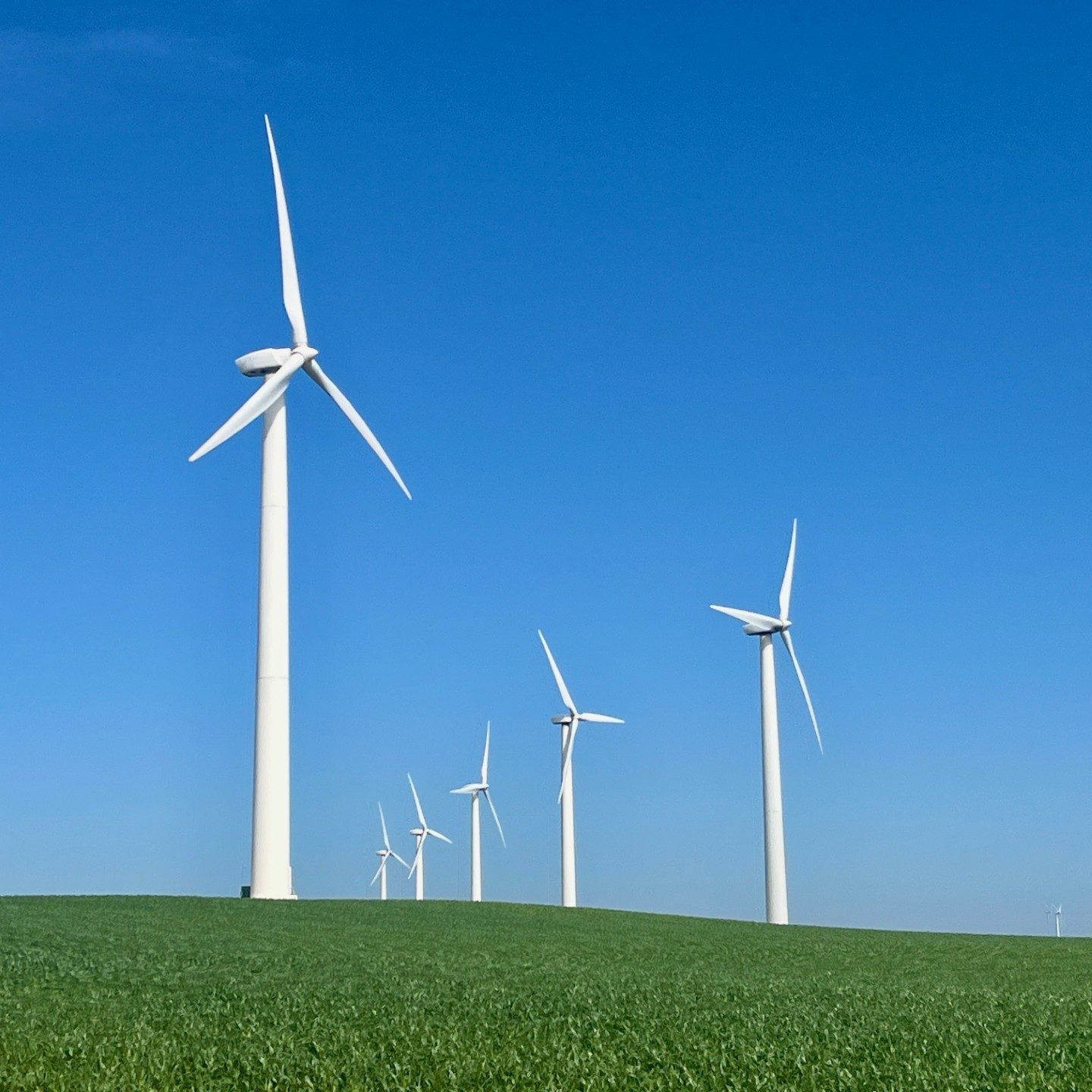
Minnesota Farmers Union Foundation (MFUF) and the National Lab of the Rockies (NLOR) are partnering on a project to engage agricultural communities on distributed wind. As part of this grant, MFUF is supporting an Ag & Energy Program Specialist at Cooperative Development Services (CDS) to provide outreach and technical assistance across the state.
Studying the Potential of Distributed Wind in Minnesota
By Cory Neely, CDS
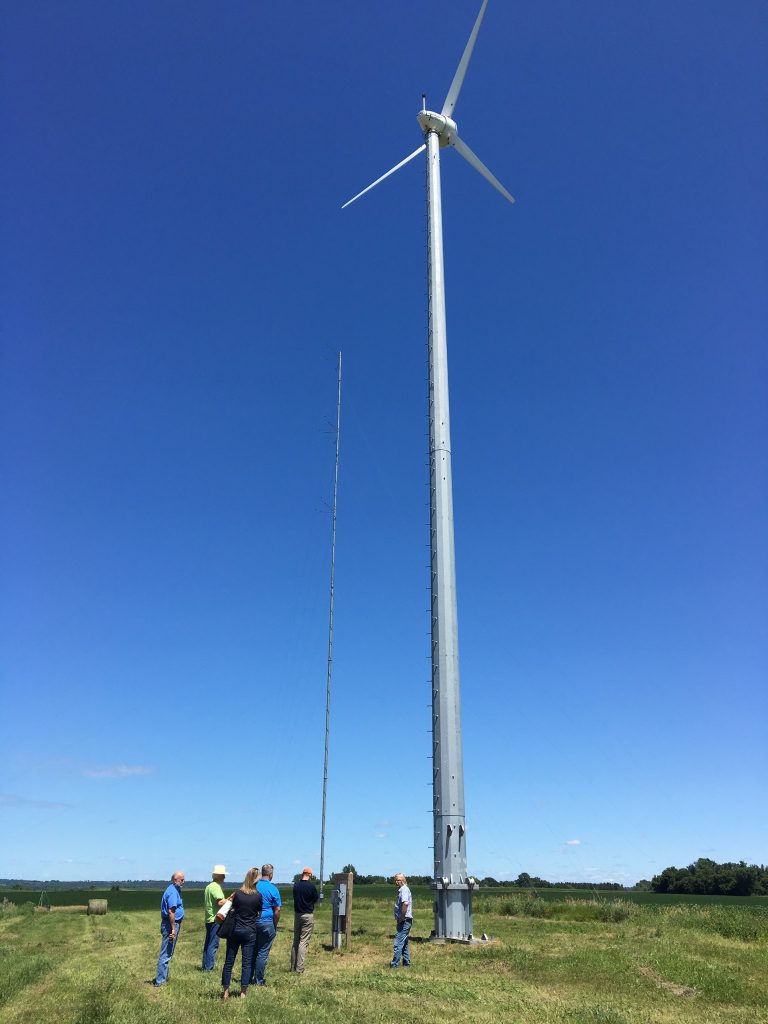
In early November 2025, I joined Cooperative Development Services as their Ag & Energy Program Specialist. My work has focused on helping NLOR staff understand distributed wind’s potential in Minnesota’s agricultural sector. Distributed wind refers to wind energy that is generated where it is used, including home, business, or farm-scale production for local use.
Windpower has a long history of doing work on farms in Minnesota, with “windchargers” being used to power batteries and pump water before rural electrification took off in post-depression rural America. Minnesota has some of the best wind resources in the United States with around 2/3 of its landcover being rated as good or excellent for wind development. Minnesota’s wind resources represent an opportunity for farms and businesses to hedge against rising energy prices and make their goods and services more competitive in the marketplace.
Wind is “underutilized”, but why?
The US Department of Energy classifies distributed wind, along with geothermal energy, energy storage, and biomass, as “underutilized” technologies. Each of these clean energy technologies are mature and commercially available, yet Americans simply aren’t adopting them at the rate that we could. My outreach work is focused on the agricultural community and will help inform the national labs about why this technology is underutilized. The strongest electrical grid is one that has a diverse power supply, and distributed wind can supply zero emission energy during times that solar cannot, creating additional opportunities for resiliency when the local grid is stressed by high usage.
I am interested in hearing from MFU members and their rural neighbors to gain insights into how rural people feel about distributed wind and what questions they have about this technology. As a part of the grant, members can access technical assistance and information about distributed wind that is available from NLOR’s staff. The NLOR staff are able to provide detailed information for site feasibility for those who request a site assessment, which includes information on local energy ordinances and other important considerations for the location.
With the lapse of the Investment Tax Credit and REAP funding uncertainty, there’s upheaval in the distributed energy sector. This makes it a good time to evaluate wind opportunities without pressure to move quickly on projects. Also, a slower market allows prospective wind customers easier access to information from manufacturers, policymakers and other stakeholders. I expect that the distributed resources industry will begin to lobby for reestablishing incentives, and there may be an opportunity to create new financial models that incorporate energy storage as part of a hybrid-system that monetizes when energy is released to the grid.
Opportunities for Cooperation in Community-Scale Projects
I recently served as an Executive Director for a solar cooperative in Wisconsin called SolarShare, which allowed cooperative members to invest in community-scale solar projects. Our work was centered around the belief that cooperatives are the best way to keep energy dollars in our local economy, and that these democratic organizations are crucial to local resilience to economic hardship and inflation. As a part of this grant, I am interested in having discussions about cooperative ownership models for community-scale clean energy projects and other financial arrangements that are designed to keep more energy dollars in Minnesota communities.
Much of the investment in clean energy that is happening across Minnesota is coming from banks, accredited investors, and large financial institutions, and often clean energy investors are not residents of the state. We may be able to replicate existing cooperative investment models and create new ones that provide opportunities for local impact investing, giving local people and businesses an opportunity to invest in projects in their own backyards, keeping energy dollars in-state and boosting local economies.
If you’re curious about wind and interested in a site assessment, or want to discuss potential cooperative models, please email me at cneeley@cdus.coop.
Cory Neeley
Ag & Energy Program Specialist
Cooperative Development Services