
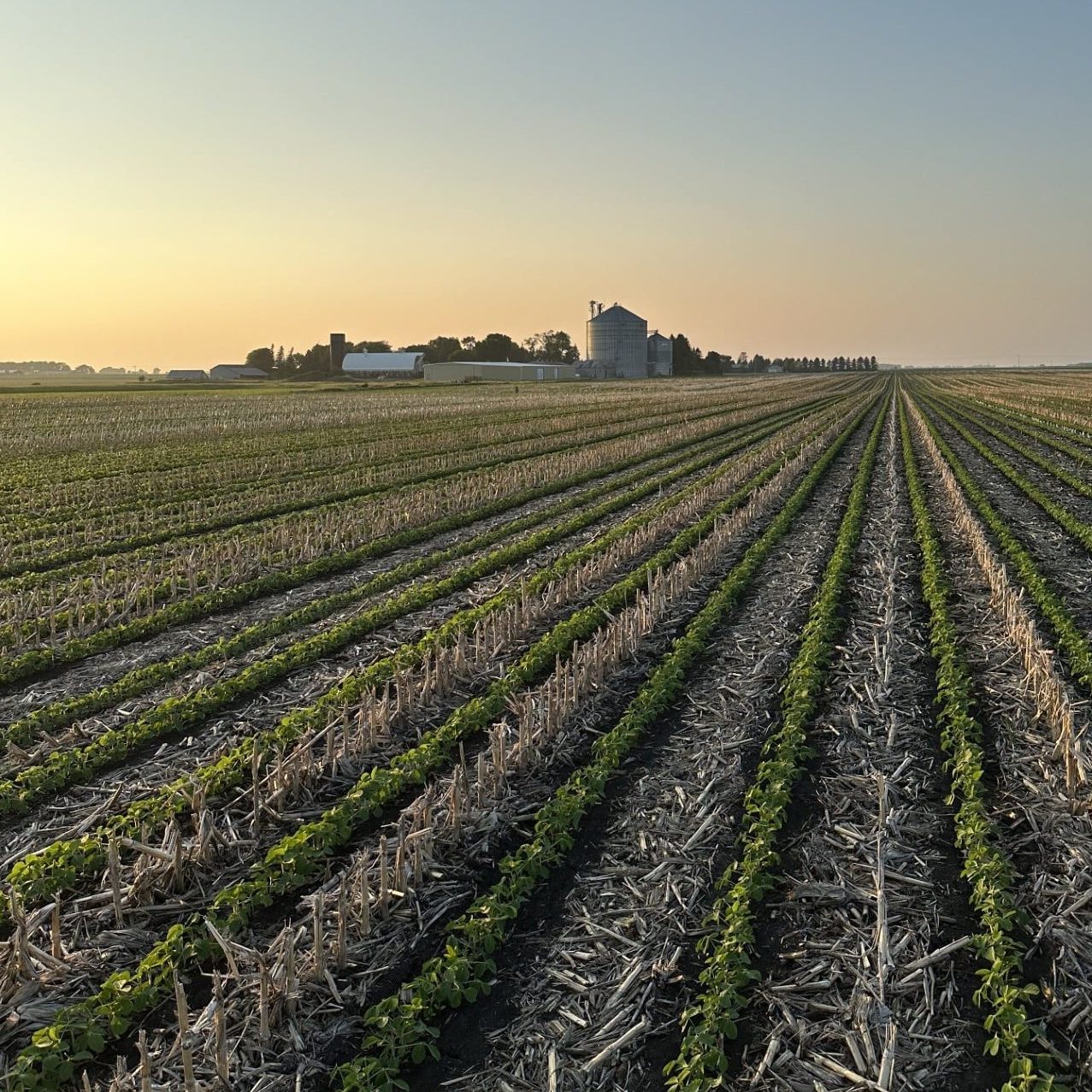
Sorgs are proactive and committed to change to remain resilient
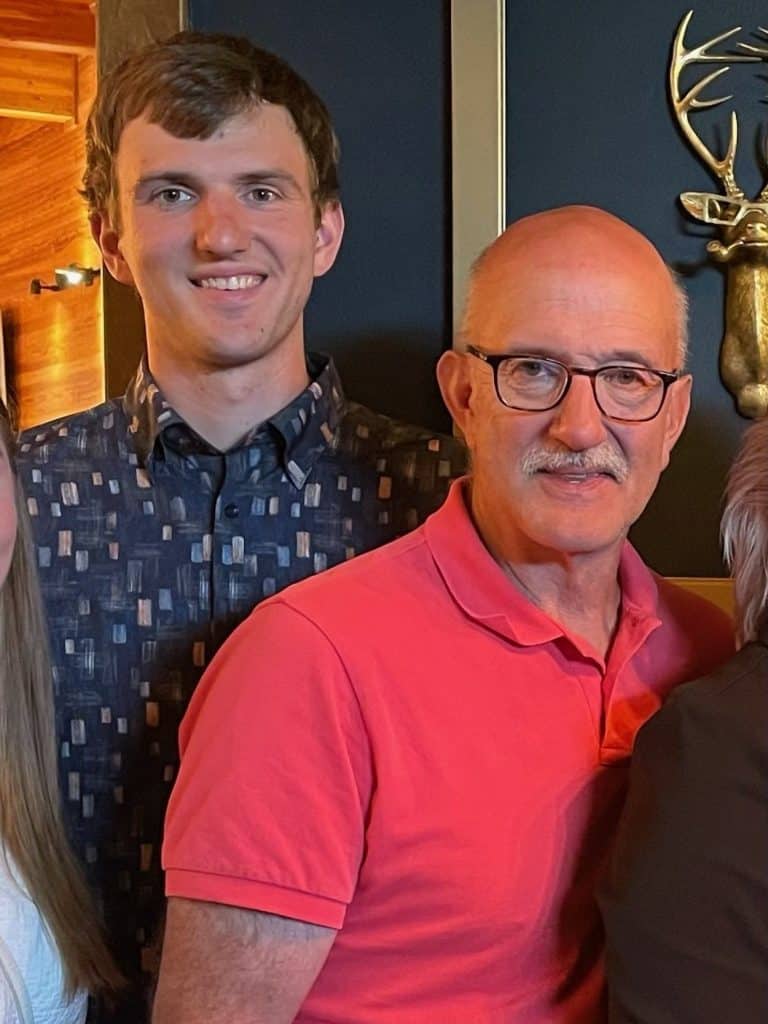
Father and son Randy and Jay Sorg manage 2 Gen Partnership. Randy and Jay, the fourth and fifth generation on their family farm, raise corn and soybeans on 3,000 acres. Randy is the Dakota County Farmers Union Vice President and was a 2024 State Convention Delegate. Jay works for Agri Spray Drones, which they utilize for their farm’s fungicide applications.
This interview has been edited for length and clarity.
How has your farm structure changed in recent years and how are you planning for the future?
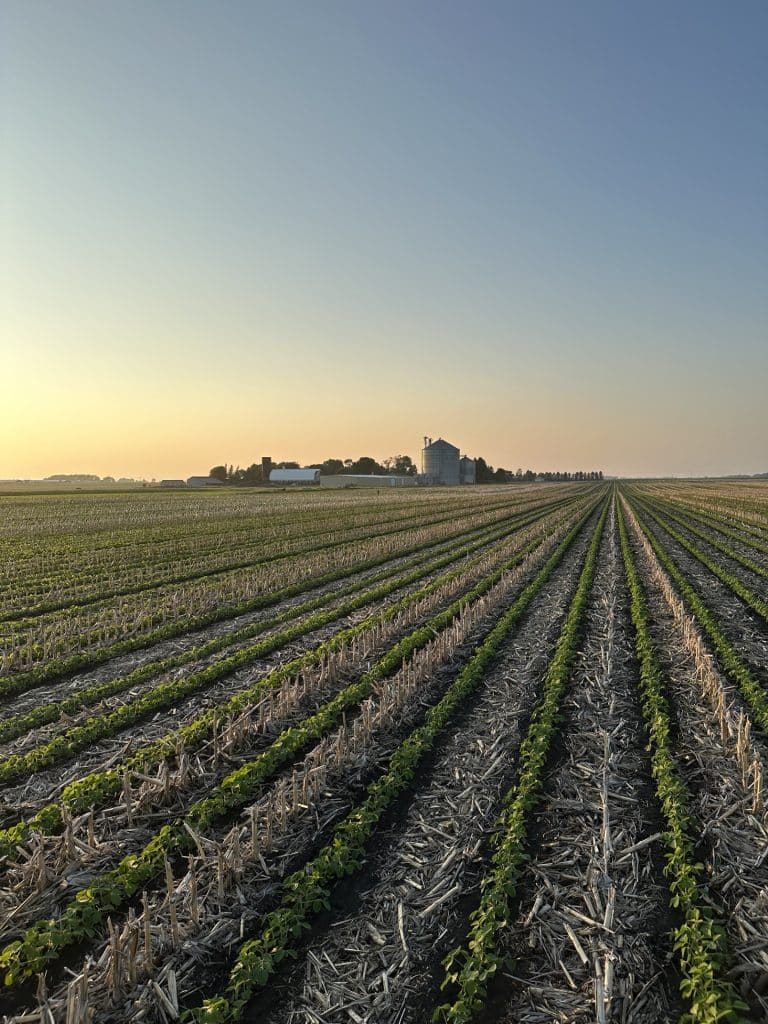
Jay: My dad and I are out of the livestock side of things so now we’re row crop growers. We moved into a strip-till cropping system instead of conventional tillage and changed from two tillage passes to one pass. We strip-till in the fall and that’s it. We do all in season nitrogen and apply potassium and phosphorus in strip-till pass- that’s a shank that goes 6 inches into the ground and applies it in a band. Our goal is to reduce erosion, increase soil structure, and help with weed suppression. We don’t look at our practice changes as boosting yields but more so to save time and inputs.
In terms of the future, we’ve had a lot of change in the past two years. I would love to add another crop into the rotation, but we don’t have the market to do that right now. We’ve looked at ways to integrate cover crops but have to do some more tinkering with that. At the moment, we are getting used to strip-till and trying to get that dialed in.
How has climate change informed your plans for the future of your farm?
Jay: The reality of it is I’m only 27. In the past three years we’ve seen record yields, followed by a season of drought, then a season with too much rain. We’ve made some changes like implementing strip tillage to increase the water-holding capacity of our fields. It’s hard for the soil to hold all that water. By minimizing tillage, the soil will have more structure and water holding capacity. Reducing water run-off will help our farming system handle the weather extremes that we’ve seen.
How has your farm operation remained resilient?
Jay: Our willingness to change. If something isn’t working, we are proactive and committed to finding out why.
What do you think people are missing in the conversation around climate?
Jay: There are an incredible amount of resources. The hot button issue right now is regulation, and farmers are scared of regulation coming down from a climate standpoint. If we don’t adapt to what the consumers want, we put ourselves in a dangerous spot for regulation. I wish more farmers would be open minded and know that they don’t have to change every single acre, but they can try something different and compare it.
What do you think Congress is missing in the conversation around climate?
Jay: A lot of these rulings lately are heavy on no-till and cover crops. I would argue for strip-till to be included. If I split a field and implemented no-till on half and strip-till on the other, I’d get a better return on fertility with strip-till than I would no-till. Lawmakers should be more open minded and encourage producers to explore what’s out there. The discussion needs to be centered around what is truly sustainable from an economic standpoint. If congress wants to see real change they are going to have to tie climate-smart practices to subsidies. Dollar signs are what drives change in this industry.
What opportunities for advancing climate-smart agriculture through markets and policy have been on your radar?
Jay: I’m working on getting our farm water certified through the Minnesota Agricultural Water Quality Certification Program (MAWQCP) in order to be eligible for more grants and opportunities. There is going to be a point where the consumer is going to demand climate-smart raised grain. Currently, we are taking advantage of carbon credit programs through Cargill. It’s great because we’re getting paid for something we were doing anyways. I’d rather there be rewards than penalties for implementing climate-smart practices.
If you could tell Congress one or two things that would help your family continue to farm in the next generation, what would it be?
Jay: Continue to advocate for world trade. We need to have export markets while also protecting our markets at home. Importing ag products that we make here does not help our bottom line. For example, how is importing sugar cane ethanol from Brazil for supposedly ‘sustainable fuel’ sustainable? I’d like to think I wouldn’t need help from congress to keep farming, but it’s important for policymakers to keep an open dialogue with farmers, not lobbyists.
From heavy rains to extreme drought and damaging winds, farmers are adapting and changing. The ‘Climate Resilience on the Farm’ series features Minnesota farmers who are using practices to make their farms more resilient as the climate changes. Read other articles in this series here.