
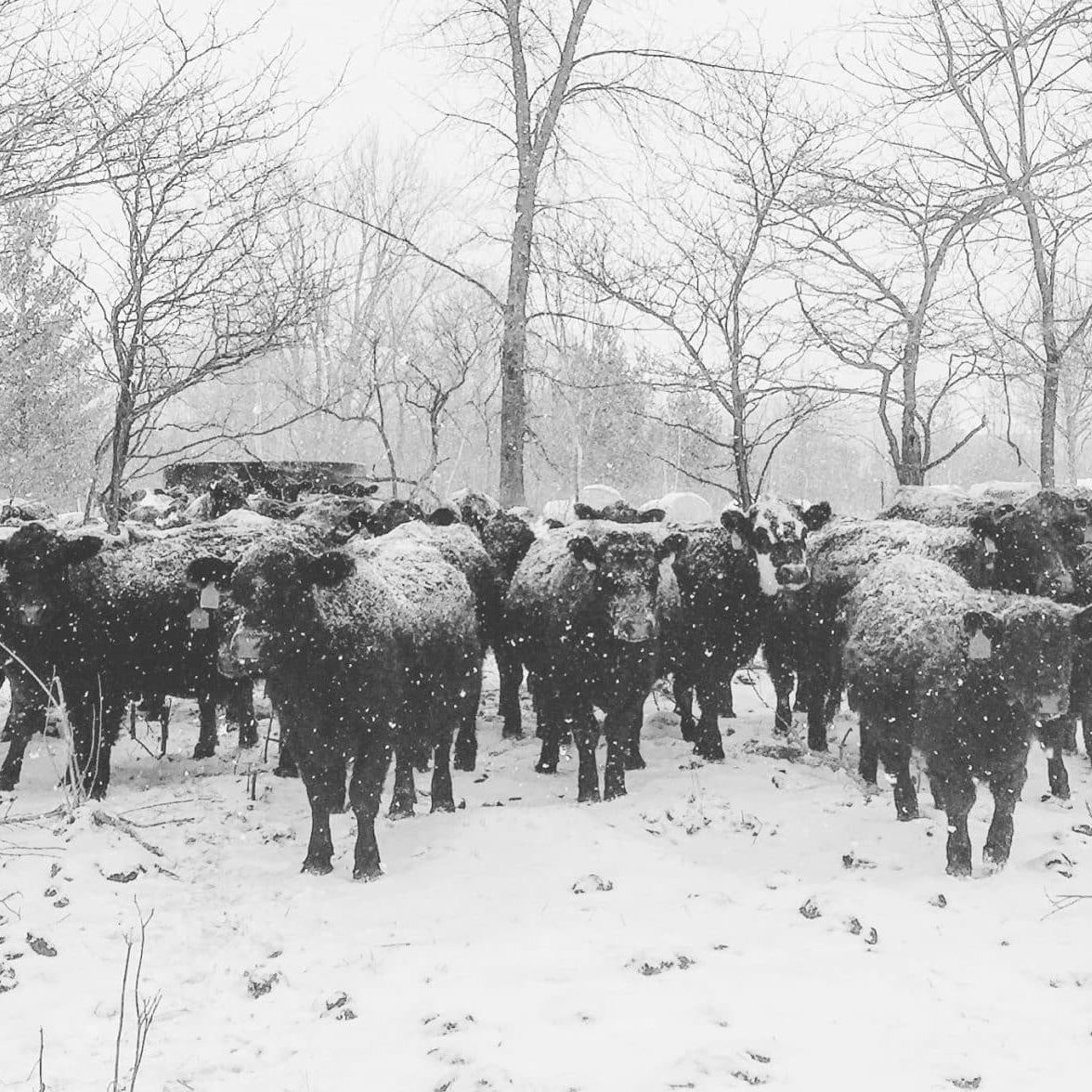
Regenerative agriculture helps Mille Lacs County farmer weather changing climate
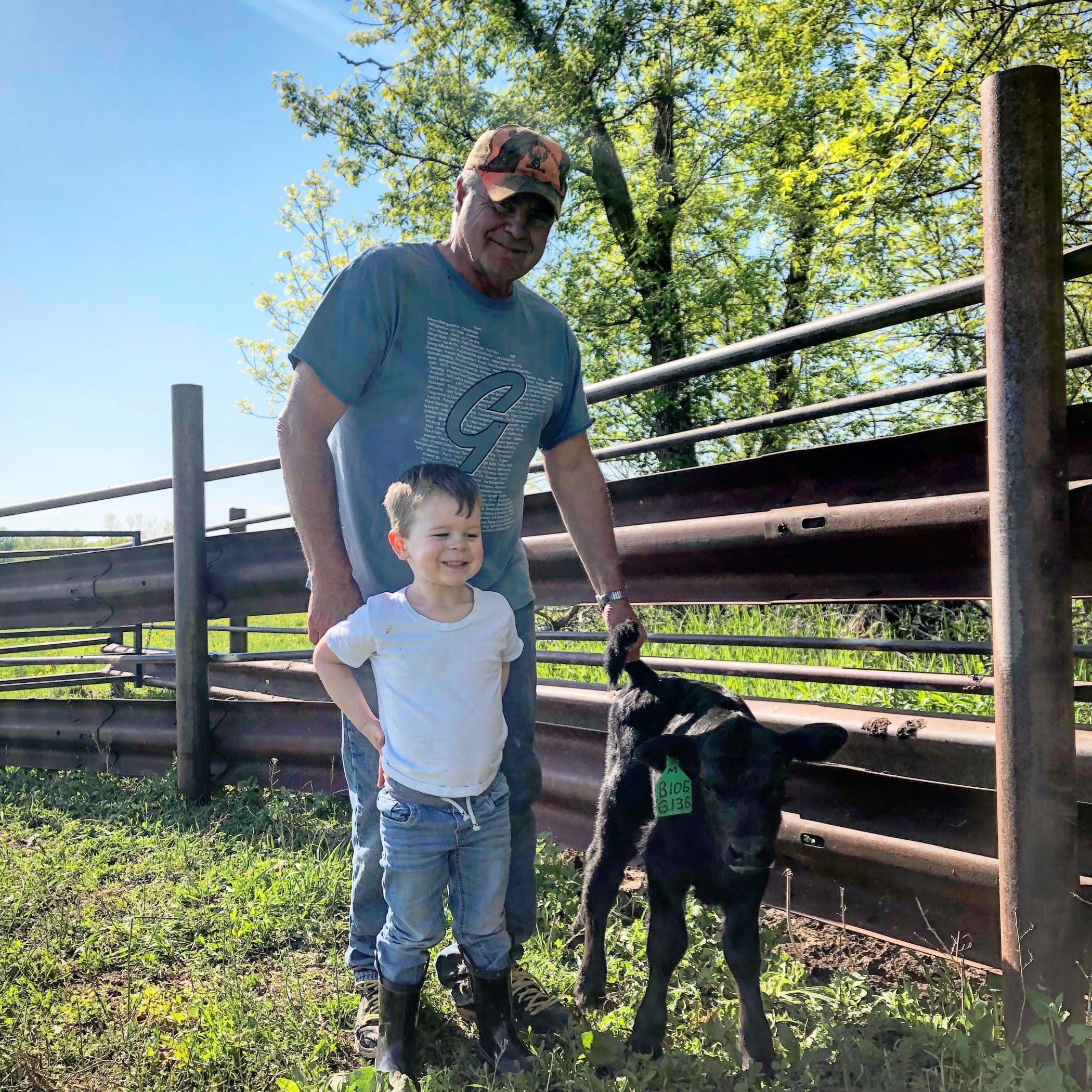
Jake Pettit owns and operates Pettit Pastures in Mille Lacs County along with his father, Tim.
Pettit Pastures directly markets their grass-fed beef, Berkshire pastured pork and grass-fed pet food.
This interview has been edited for length and clarity.
What is the background of your farm?
Jake: My dad was a dairy farmer all his life but got out in the 1980s. He retired around 2012 and wanted to get back into farming. I had developed an interest in grass-fed beef from farmers like regenerative rancher Greg Judy of Green Pastures Farm in Missouri, Gearld Fry of Bovine Engineering and Consulting in Arkansas and Gabe Brown, soil health pioneer and farmer in North Dakota. We bought the farm and started from scratch.
Commodity production is tough, and we knew we weren’t going to be a huge farm. We looked at grass-fed beef and direct marketing as a route to make a smaller farm work. We really got more into regenerative agriculture through that, though it wasn’t the original driver of the farm. We saw over time that regenerative practices improved profit and reduced inputs, and we learned how much our customers value animal welfare, soil health, and environmental stewardship. Those factors helped drive us down the road of regenerative agriculture and incentivized our production of a high-quality product.
Our farm is certified by the American Grass-Fed Association and the Minnesota Agricultural Water Quality Certification Program. We are in the process of becoming Audubon Certified as a bird-friendly farm.
How has your farm changed in recent years and how are you planning for the future?
Jake: We will continue to try and build our soils and to turn out the best product possible.
We started out small with 10 head and now finish between 60 to 90 head of cattle. We just kept growing every year and growing with our base. We put as much effort into marketing as we do into farming, so we are constantly trying to build a solid base [of customers]. It is important to us to be able to sell everything directly and not have to sell into the commodity market.
We luckily have had a long-standing relationship with McDonalds Meats in Clear Lake for processing, but we have to schedule about a year in advance for harvest dates. It can be a challenge to balance getting enough processing slots and customers.
Are you facing challenges in relation to climate change management or drought?
Jake: Rainfall has changed here in the last few years. We’re getting drier summers and springs. June was almost always our wettest month. The last three to five years have been really dry. It has been challenging but having healthy soils helps with water management. Farmers can’t do anything about the rain, but we can make sure we are storing and utilizing every drop we get.
Vegetation keeps the soil moist, it’s not a fix-all but we’ve been able to graze through everything, or we’ve had to get creative buying hay from neighbors.
What barriers do you see to the adoption of conservation practices?
Jake: Margins are already so tight in commodity farming, and making change is so risky to a farmer’s bottom line. It pays off in the long run, but when switching inputs there is a lag time to get your soils functioning and established.
There are mostly commodity agriculture and conventional beef operations surrounding us. Neighbors do take notice though. Our healthy cattle out on our pastures speak for itself.
Some standards and protocols have not caught up with the ideas of regenerative agriculture, it’s sort of like a square peg in round hole. It’s also dependent on which Farm Service Agency office you are working with.
What do you think people are missing in the conversation around climate and agriculture?
Jake: The hidden costs of the food system that we have today. Grass-fed beef costs more but if we tallied up all of the costs to climate and consumer health, we would see that regenerative products are cheaper and more beneficial in the long run for the consumer and our country.
What opportunities for advancing climate-smart agriculture through markets and policy have been on your radar?
Jake: Product labeling and country of origin labeling (COOL). Eighty percent of grass-fed beef sold in the United States today is raised on foreign soil. The benefits are going somewhere else instead of staying in our communities. Consumers are misled because there is not proper labeling in place, in addition to greenwashing.
From heavy rains to extreme drought and damaging winds, farmers are adapting and changing. The ‘Climate Resilience on the Farm’ series features Minnesota farmers who are using practices to make their farms more resilient as the climate changes. Read other articles in this series here.