Murray County event highlights equipment as a necessity for conservation practice adoption
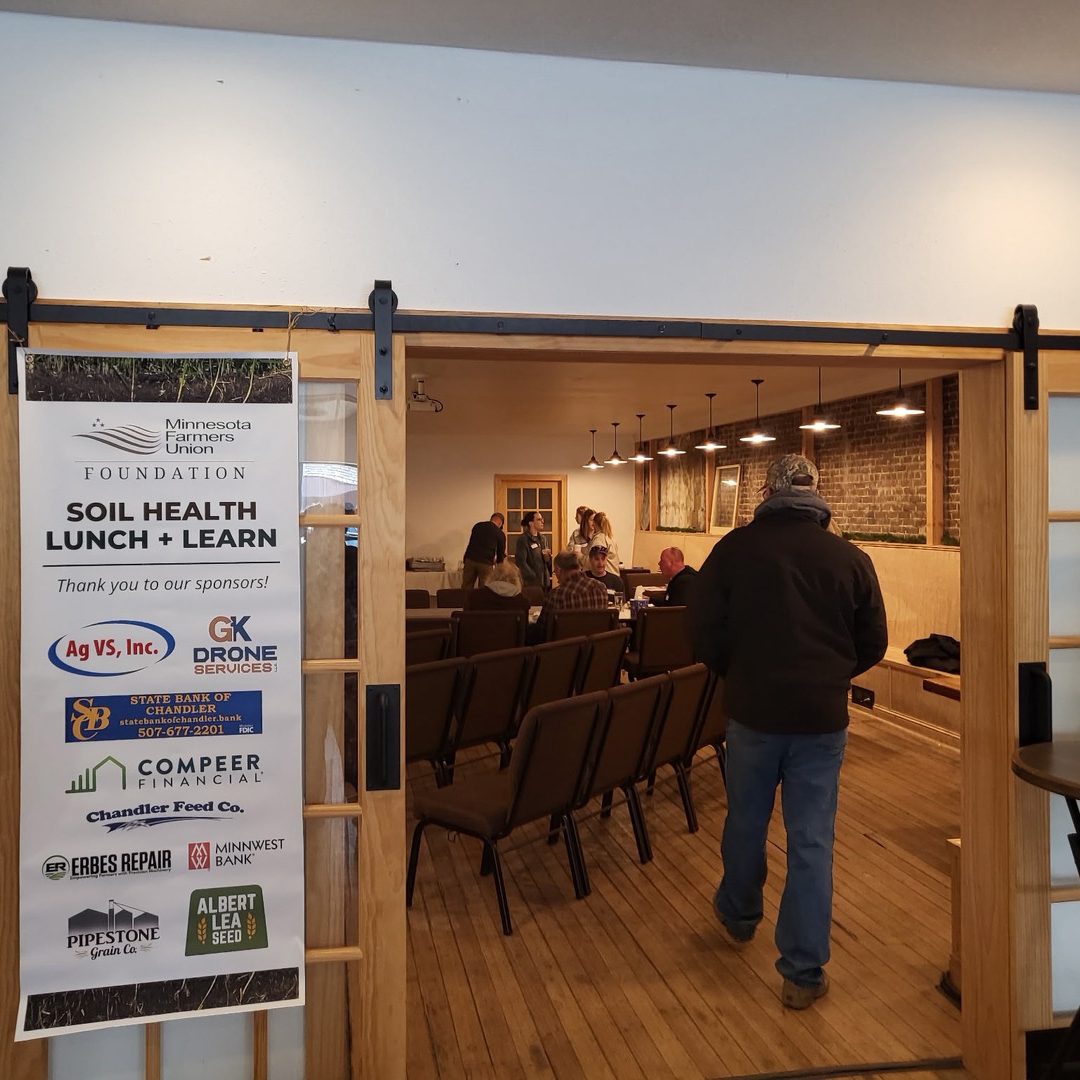
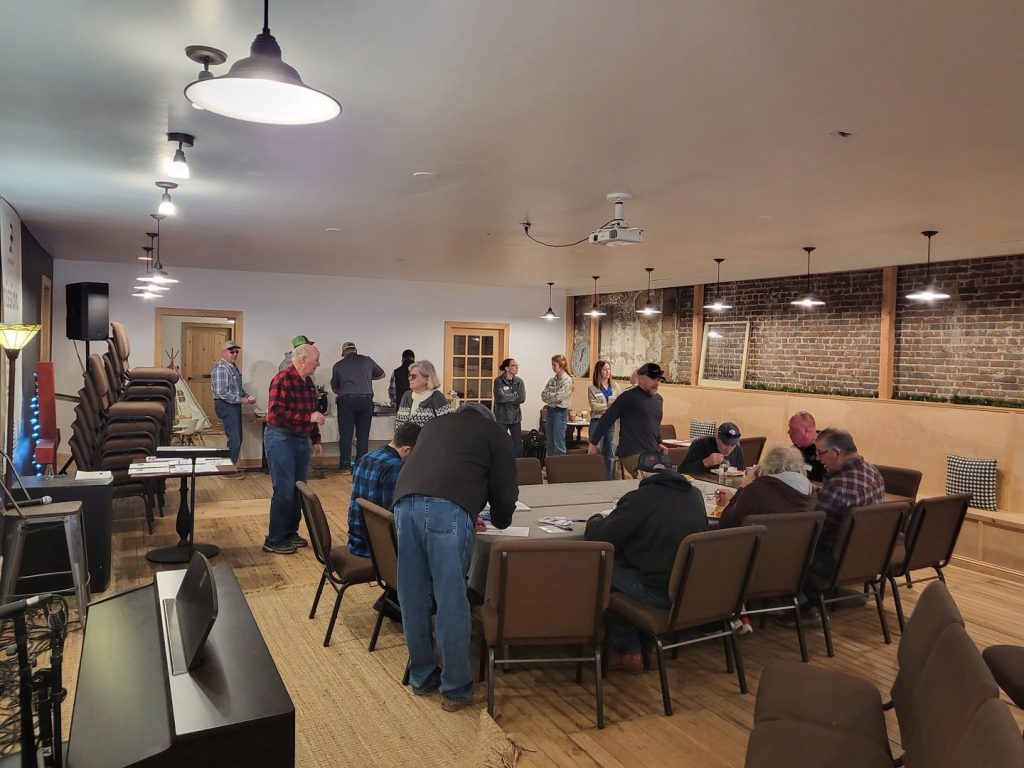
An April 8th Soil Health Equipment Lunch and Learn gathered 18 farmers and community conservation experts at the Plaid Moose in Slayton for a focused, practical conversation on a persistent barrier to soil health adoption; access to equipment. Many attendees were new faces—producers curious about what equipment to buy or modify, and what first steps they should take if they want to begin reducing tillage.
Murray County Farmers Union organized the event and provided lunch, while Samuel Porter, economist for Minnesota Farmers Union, led a grounded discussion on the economics of soil health equipment, the realities of rental and grant programs, and the management shifts that make reduced tillage successful. Labor efficiency emerged as a major driver for reduced tillage adoption; several farmers noted that switching to no‑till allowed “two men to run two operations instead of two men running one,” underscoring the time and task savings that matter deeply in today’s tight labor environment.
The group also reflected on generational differences in adoption. Many noted that older farmers often need to see the benefits of reduced tillage for at least a year before feeling confident enough to change. With the current average age of farmers in Minnesota being 57, it seems imperative to bring in younger generations and focus our support on getting them started in agriculture and adopting newer practices that support soil health and profitable operations. Minnesota Farmers Union supports improved programs for new and beginning farmers, as well as programs that support continued conservation practices.
This event and other conservation events around Minnesota were supported by the Minnesota Farmers Union Foundation and local sponsors. If you are interested in having a similar event in your community, please reach out to your local Minnesota Farmers Union membership coordinator.