Stearns County farmer: Improved genetics and seeds help farmers manage changing climate
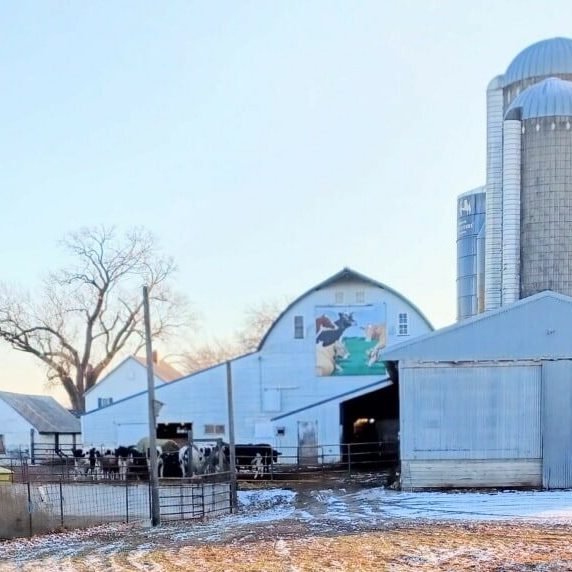
Mike Orbeck has farmed with his family in Paynesville, located in Stearns County, for nearly 40 years. The Orbecks manage a 100-cow dairy and farm over 700 acres of cropland that includes corn, soybeans, alfalfa, rye and oats.
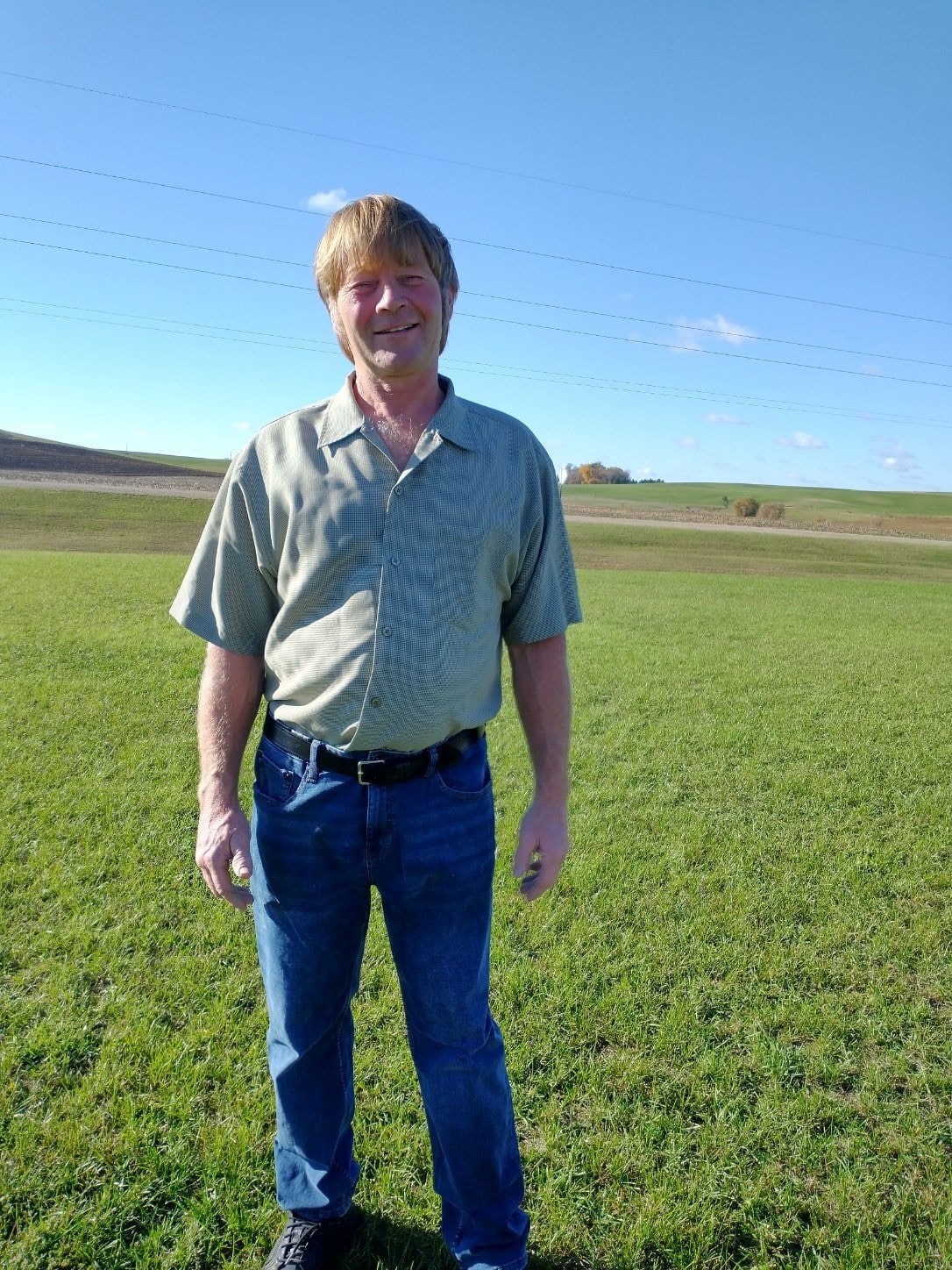
This conversation has been edited for length and clarity.
How has your farm changed in recent years and how is your family planning for the future?
Mike: I have a sixteen-year-old nephew who is interested in taking over the farm someday, so we will wait and see how the next few years go.
We put in an irrigation system on seventy acres in 2014. Our next step is to put in more irrigation systems to increase production. Inputs for dry versus irrigated are approximately the same amount.
Are you facing challenges in relation to climate change management? Drought?
Mike: We have seen less droughts over the last few years than we have over the course of my lifetime. I know there is a lot of concern about climate, but in our area the changing climate has not been such a bad thing.
The climates from southern regions are increasingly in our area compared to the 1960s and 1970s. Along with the warmer temperatures, I feel that we probably get more rain today than we used to.
Our genetics and seed are so much better – even than they were 10 years ago. I’ve lived through two major droughts, one in 1976 and the other in 1988. 1976 was devastating in that we did not get much of a crop, but it was a lot like this year. This year we had maybe two thirds of a normal crop, which is fairly decent.
Is climate change going to hurt? Yes. But will it be devastating to our operation? Not totally.
I can’t say we’re facing any challenges in regard to climate management. Do we get flooding rains? Yes. But there have always been floods, throughout both my generation on the farm and my parents.
Have you adopted any conservation practices on your farm?
Mike: We have grown cover crops for as long as I can remember. Probably for 70 years, but we don’t cover crop everything. One of the things we’ve learned over the years of growing cover crops on our sand-land (which is what we have without irrigation) is that if you don’t get rain in the springtime to regenerate the water that the cover crop used, you’re pretty much looking at a diminished crop, if a crop at all on that land. You can’t put everything in one basket. Every farmer needs to do what’s right for them and their management style.
What do you think people are missing in the conversation around advancing climate-smart agriculture through markets?
Mike: Education and understanding the context of the place, including in conversations around carbon capture and storage. In our area it’s hard to prove that you’ve gained any carbon.
Land can be drastically different from one area to the next – just because a practice works for one farmer doesn’t mean it will or should apply to all.
If you could tell Congress to do one (or two) things that would help your family continue to farm in the next generation, what would it be?
Mike: Mandates are not American agriculture.
In order to make the agricultural industry more resilient, farmers need reasonable and accessible healthcare.
From heavy rains to extreme drought and damaging winds, farmers are adapting and changing. The ‘Climate Resilience on the Farm’ series features Minnesota farmers who are using practices to make their farms more resilient as the climate changes. Read other articles in this series here.