Climate change guides the way Kelsey Zaavedra farms and lives
Kelsey Love Zaavedra owns and operates Heirloomista Farm in Chisago County, where she grows fruits, vegetables and herbs on just under one acre of land using only heirloom seeds. Through the MFU Foundation’s Cooperatives for Climate grant, she received funding for herself and several other local farms to market their products at a cooperative farm shop called The Summer Kitchen Cooperative. She is the Chisago County President and was a 2024 state and national convention delegate.
This interview has been edited for length and clarity.
What is the background of your farm?
Kelsey: I went to school for biodynamic agriculture in England. I actually got into farming because of bees –I used to teach biodynamic beekeeping. When I came home and started the search for land, I was convinced I would find land the next day, but it took me six years. I started my farm business before I bought land.
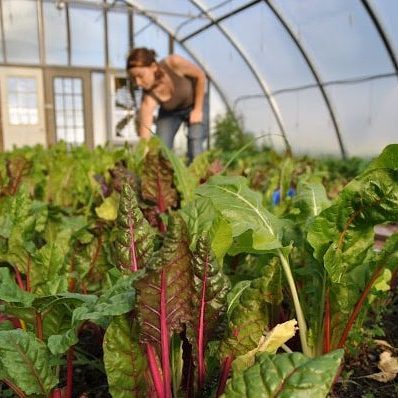
I finally settled on a piece of unwanted land leftover from the 80s farming crisis. I have five acres and cultivate just under one acre with all specialty crops– vegetables, herbs and fruit perennials and annuals. I only grow heirlooms. A majority of what I grow is from seeds I save, and all the perennials I propagate myself the old-fashioned way. I always want to be able to host bees on my farm, so half of my farm is dedicated to pollinator habitat. We got power for our co-op in the farm shop, but other than that the farm is off-grid and that is by design.
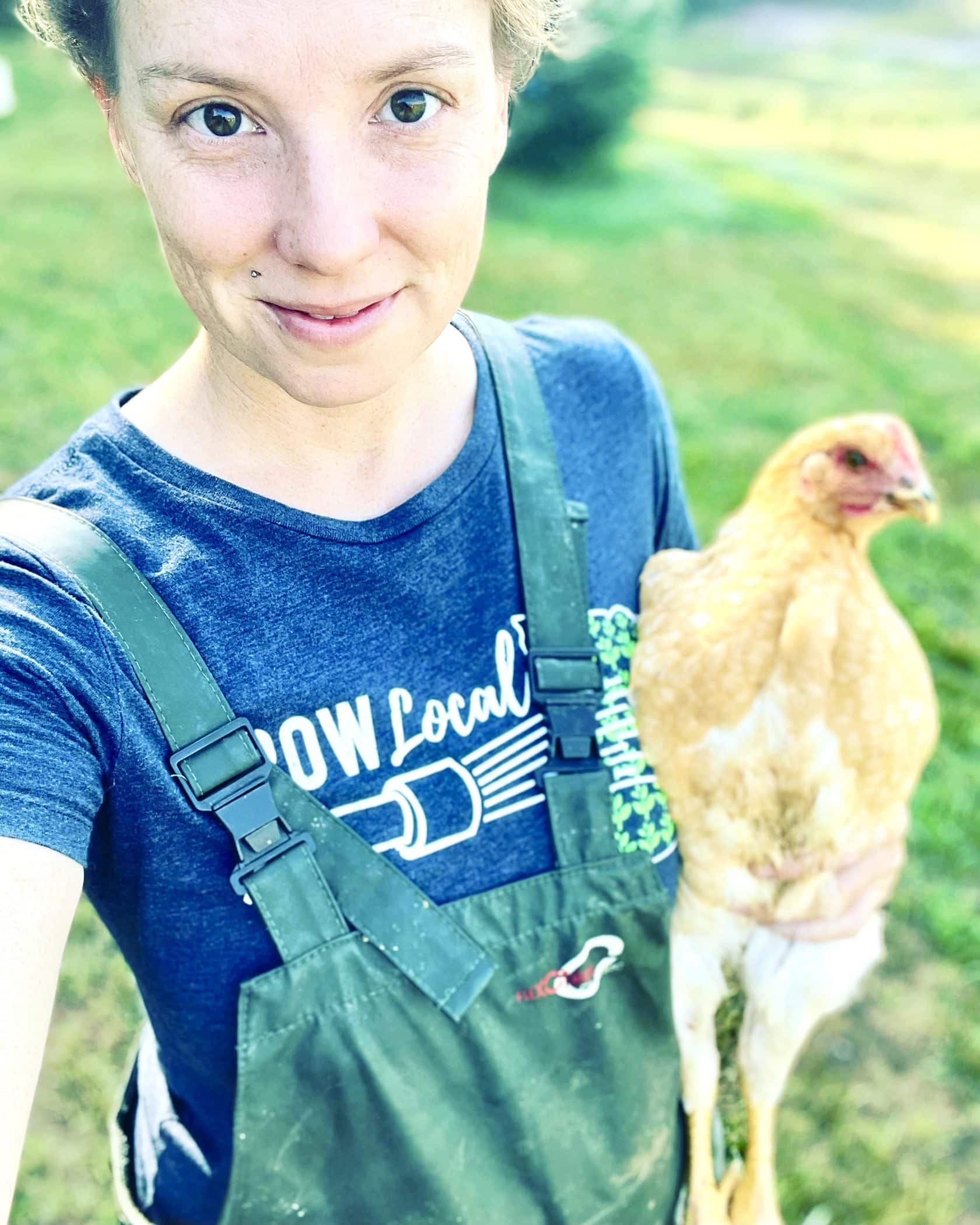
When I finally had enough infrastructure on my farm, I also started raising poultry and processing them on the farm. I wanted to keep investing in the carbon cycle, which is hard to do with specialty crops, and animals are the best way to do it. It was a big step when I was finally able to build a chicken tractor and have chickens running around my farm. It’s made the farm a different type of space with animals scratching and pooping on it. But I took a break in 2024 from chickens because there was too much on my plate.
I farm alone, and it’s not for the faint of heart. I have built community around the farm, but that social network is separate from the daily farmwork and operations. I do occasionally have people come out to help on the farm. Farm Buds [a group that volunteers on farms in Minnesota and Wisconsin] comes out maybe once a year for projects, but in terms of maintenance that’s me. I invite people to come out for chicken processing and usually one or two people come out. It’s important for me to offer that opportunity but I don’t depend on it for labor. It’s important to scale it for me, I know what I can do sustainably. It’s a small farm with two greenhouses, and things change every year. I’m able to adapt to the labor and what the farm needs.
What is the story of your farm shop and cooperative?
Kelsey: When I went to school in England it wasn’t uncommon for farms to have shops and it was really beautiful. The biodynamic farm I worked on had a farm shop that was amazing, and to see that happen in real life was like ‘holy crap it’s possible’. People wanted to support the local community so that’s what they did. So when I came back in 2012 I wanted to be an asset to my community and a cool way to do that is through food. I found this funny little shop and kept it in my friend’s barn for 6 years until I could buy land. I finally put it up and people were confused about the concept of it which is funny. But now a lot of people come to buy veggies and hang out. It has been cool to build community that way.
The tradeoff to having a smaller parcel and growing specialty crops is you have to direct market in order to get the price you need, wholesale doesn’t work. There was a whole bunch of us that were not meeting our market needs so we started a cooperative, which MFU had a huge part in supporting. It’s called The Summer Kitchen Cooperative, and now we have all the licenses needed to sell products from everybody’s farm. So now the farm shop on my property carries products from different farmers in our co-op. We sell year-round on our online platform and the shop is open from May to October.
The closest grocery store is 20 minutes away and they don’t sell organic animal products. It’s important to me that people in our community can buy high quality food and support local farmers, and it feels good to feed the community and educate people.
What challenges has climate change caused for you as a farmer?
Kelsey: The weather has become unpredictable and challenging. As a specialty crop farmer, we typically have a set timeline for seeding, and when conditions become unpredictable, it can disrupt our entire operation.
Drought conditions have been awful. For three years it didn’t rain- it’s insane. Another issue is that my well pump is off-grid, so I can only pump water when there’s enough sun. The wind has also been scary the past few years. And with the wildfires- I don’t get to not work because it’s smoky, I just get sick.
My seasonal allergies have gotten worse because the season doesn’t end. When I went to school in England, you’d get a frost in September and it’d kill off all the tender stuff but the season eventually ended. But it feels like the season doesn’t end anymore.
Climate change scares me and it has guided my farming decisions and how I live. There’s a reason I’m off-grid, this has been something I’ve lived with for a very long time. Small-scale farms are generally using less inputs, but it’s a lot of work to farm sustainably. I want to share what I’m doing and how I’m doing it with everyone.
What programs and certifications have helped you as a small-scale farmer?
Kelsey: The MDA Cooperative Development grant which was finally authorized last year. I applied and we received two years of funding to help pay for things to develop our co-op. We also received MFU’s Cooperatives for Climate grant which has been the most helpful for us.
I have the Minnesota Agricultural Water Quality Certification along with the program’s additional endorsements. Besides that, I’m not certified in anything, not because I don’t believe in it, but it’s just more paperwork and I can’t take on any more things. How I market my product is by being fully transparent and honest with my customer base.
How has your farm remained resilient in the face of climate change?
Kelsey: I feel that the smaller farms are more resilient because we often have more diversified production, but I’m not romanticizing it whatsoever. I grow perennials because they’re more hardy and resilient than annuals. I’m able to pivot all the time and I don’t want to, but climate change is constantly making us.
From heavy rains to extreme drought and damaging winds, farmers are adapting and changing. The ‘Climate Resilience on the Farm’ series features Minnesota farmers who are using practices to make their farms more resilient as the climate changes. Read other articles in this series here.