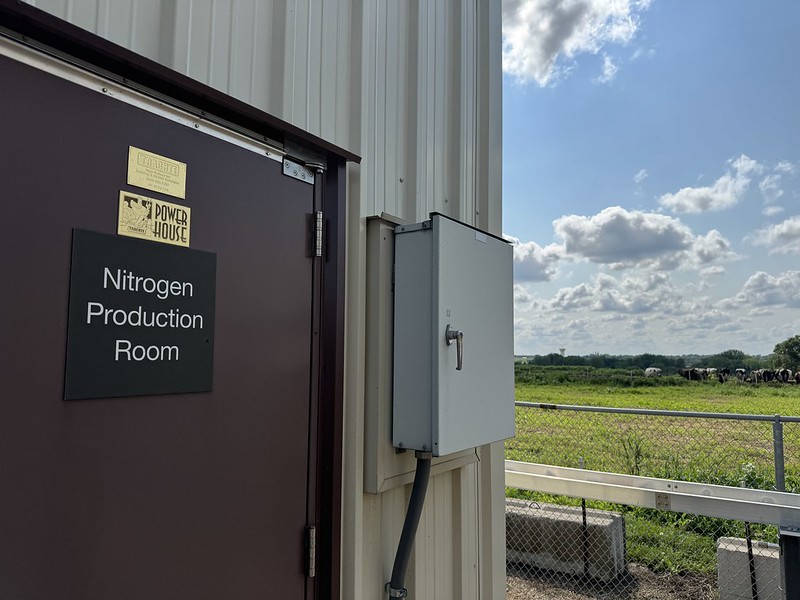
Green Ammonia & Fertilizer Production
The emergence of green ammonia fertilizer introduces a host of advantages for the agricultural sector. By leveraging green ammonia, it's possible to mitigate the environmental impact of row crop agriculture by more than a third, leading to substantial reductions in GHG emissions across supply chains and worldwide.

About Green Ammonia
Green ammonia is a type of ammonia produced using renewable energy sources, like wind or solar power. Unlike traditional ammonia, which is made from fossil fuels, green ammonia is made by combining hydrogen (obtained from water using renewable energy) with nitrogen from the air.
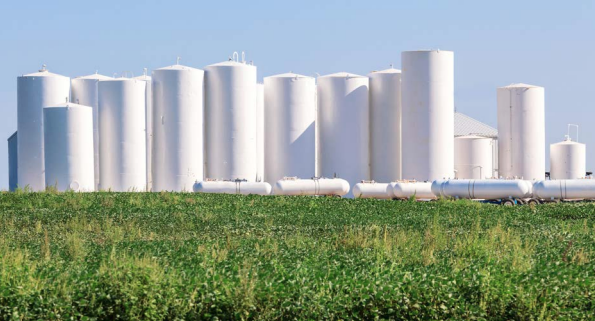
Fossil derived nitrogen fertilizer accounts for up to two percent of global greenhouse gas emissions, and contributes up to 35% of the carbon footprint of corn. The fertilizer industry is also heavily concentrated, with just four companies controlling 75% of the market. Regionally produced green ammonia offers the possibility of decarbonizing the agricultural sector while creating more competitive markets for farm inputs.
Green Ammonia Summit
In December 2024, Minnesota Farmers Union organized the Green Ammonia Summit to bring together private sector partners, technical experts, energy and utility companies, researchers, policymakers, and farm organizations to discuss the future of green fertilizer both in Minnesota and nationally.

The goals of the summit were to:
- Share current science and technology of green fertilizer, including climate benefits;
- Explore the relevance of green fertilizer toward corporate Scope 3 greenhouse gas inventory accounting as well as new low carbon-intensity fuel markets;
- Identify opportunities for cooperative development and farmer ownership of green fertilizer production;
- And develop multi-sector recommendations to support the expansion of green fertilizer production and use in Minnesota and beyond.