
Redwood County farmers say more education is needed on regenerative agriculture and conservation
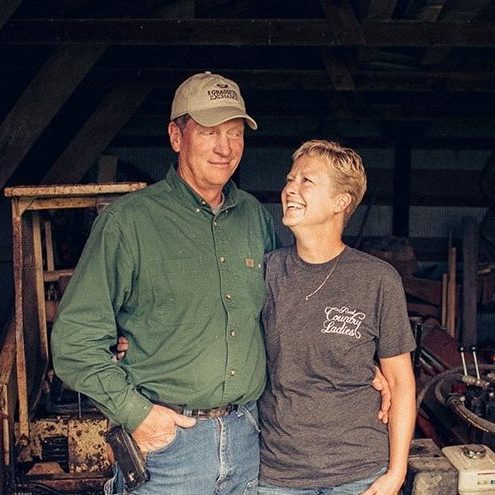
Grant and Dawn Breitkreutz own and operate a fourth-generation family farm, Stoney Creek Farm, near Redwood Falls. Their crop and livestock operation also involves the fifth and sixth generations. Their daughter and son-in-law, Karlie and Cody Wellnitz, direct market grass-fed beef, pork, chicken and eggs from the farm through their company, Ten Creek Range.
The farm has always been a crop and livestock operation focusing on their cow-calf to finish business. Stoney Creek Farm produces pasture-raised beef, laying hens, broilers, seasonal heritage breed feeder pigs, non-GMO corn, feed and food grade soybeans, cereal rye for seed, alfalfa, a seven-grain mix of oats, wheat, barley, peas, fava beans, lentils and flax and occasionally small grains.
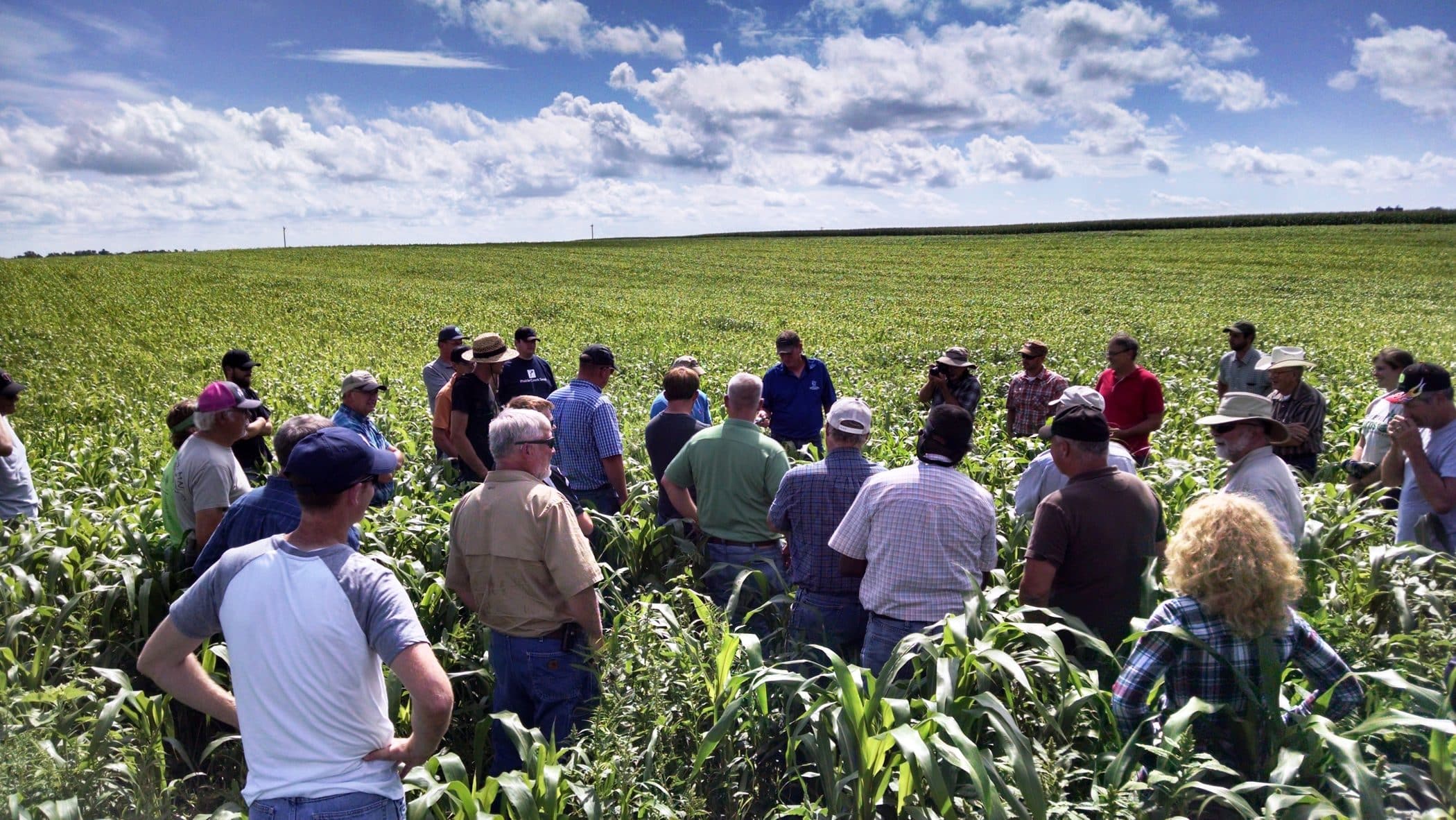
Grant and Dawn are champions of soil health and experts in regenerative agriculture, hosting, leading and teaching countless farmers through Soil Health Academy workshops.
This conversation has been edited for length and clarity.
How has your farm structure changed in recent years and how are you planning for the future?
Grant:We have made significant changes in our operation over the last 15 years all with the goal of improving our soil health. Our regenerative journey started with implementing cover crops used for cattle feed before they were called cover crops. For the past 11 years we have been 100 percent no-till and aim to cover every acre possible following the cash crop.
Dawn: We try to get cows on 80 to 90 percent of land each year including grazing cover crops in the last fall and early winter. Even with the concern of a fall drought, cover crop seed will be planted anyway because we know the importance of always having a living root in the soil.
Grant:We took 14 years to figure out how to grass-finish beef. We can access specialty end markets for everything we raise due to the nutritional quality of the product we produce and the regenerative practices we employ on the farm. We receive significant premium for our regeneratively grown crops. The diverse system we have created leads to environmental and economic resiliency.
Has climate change informed your plans for the future of your farm?
Grant:The climate is changing, which is why we’ve changed our management style. Regenerative agriculture is more resilient, incurs less expenses and increases harvestability. We haven’t gotten stuck in the field in years due to the cover crops and no-till. We’ve had no problem with rain in the spring and planting.
Dawn:Even with the recent drought and our farm’s sandy soils, the crops and grasslands have only just started to show effects of drought stress.
Grant:In the face of future droughts and floods, we will continue the regenerative practices we have implemented. Sustaining the resilience we have created will make us less susceptible to future weather extremes. Even while staying true to the principles of soil health the farm still has issues to contend with like receiving runoff from neighbors’ fields and flooding near the river.
Are you facing challenges in relation to climate change management?
Dawn:We have noticed the weather extremes becoming more intense; however, our livestock are able to handle these stresses because they are raised on healthy soil and healthy forage.
Grant: Increased wildlife has become an issue on our farm. The deer, for example, come to eat forages from the farm, because they can’t get this high-quality nutrition elsewhere.
Dawn: We have offered to help manage conservation land in order to improve the land that is offered to deer.
Grant: Other wildlife have been positive for the farm including the migration of vertebrates and birds. By increasing the land that is covered with perennial pastures and cover crops we have built habitat back in for birds like cranes and bobolinks, which we never used to see on the farm.
What barriers do you see to the adoption of conservation practices?
Grant: Conservation practices in general are very different from what we’ve been taught by our fathers and grandfathers. They require education and learning from our mistakes. The problem of employing only one practice is if you start no-tilling without implementing cover crops by year four you might find yourself in a very difficult place. Multiple practices need to be utilized in order to accelerate change and minimize transition pains.
Dawn: Another challenge is finding landlords that are willing to accept what you are trying to do.
Grant: You will need more than a one-year contract as it takes time to fix things and regenerate degraded soil. Three to five years is required to implement regenerative principles regardless of the situation.
What opportunities for advancing climate-smart agriculture through markets and policy have been on your radar?
Grant:We are worried about government regulations telling farmers how to farm. We believe long-term incentivization with seven-to-10-year programs that provide education will make the most impact.
Dawn: I would like regenerative agriculture to be seen as more than just a part of conservation. It needs to be included in the funding for general agriculture in the farm bill. It is also hard to convey our message and influence legislation when you have to compete with large agriculture companies.
Grant: At the same time, some of these companies have reduced their resistance as they realize that regenerative agriculture is not going away.
If you could tell Congress to do one (or two) things that would help your family continue to farm in the next generation, what would it be?
Grant: More education on regenerative agriculture and conservation in general is needed. We don’t need more regulations. Incentives along with education are the way to go. For too long we have excluded education. Government agencies, which manage conservation programs, often don’t provide education around the benefits and reasons for specific practices.
Dawn: Often regenerative farmers are ahead of the agencies and programs in terms of conservation.
From heavy rains to extreme drought and damaging winds, farmers are adapting and changing. The ‘Climate Resilience on the Farm’ series features Minnesota farmers who are using practices to make their farms more resilient as the climate changes. Read other articles in this series here.