Otter Tail County farmer says everyone can make a difference
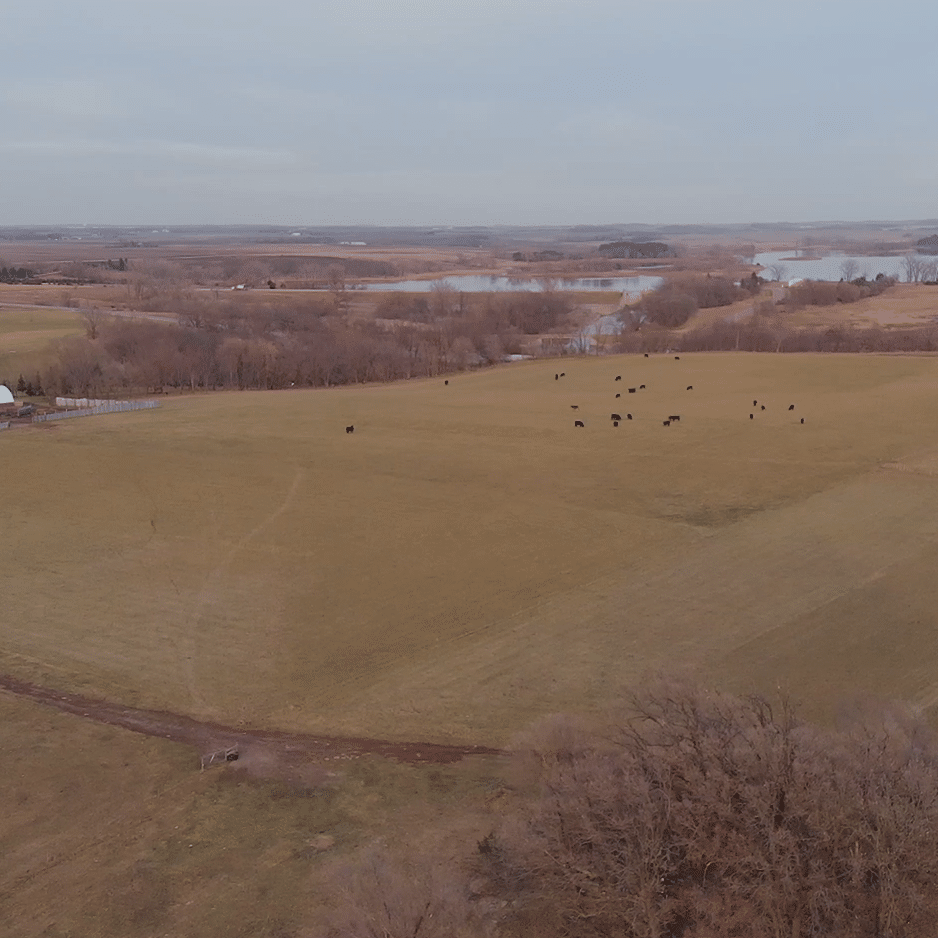
David Lindig of West Otter Tail County raises cattle and sells beef direct-to-consumer. He also grows and sells vegetables from his greenhouse to a local restaurant. His land borders the Otter Tail River, and he has 25 acres in a Conservation Reserve Program contract with Natural Resources Conservation Service.
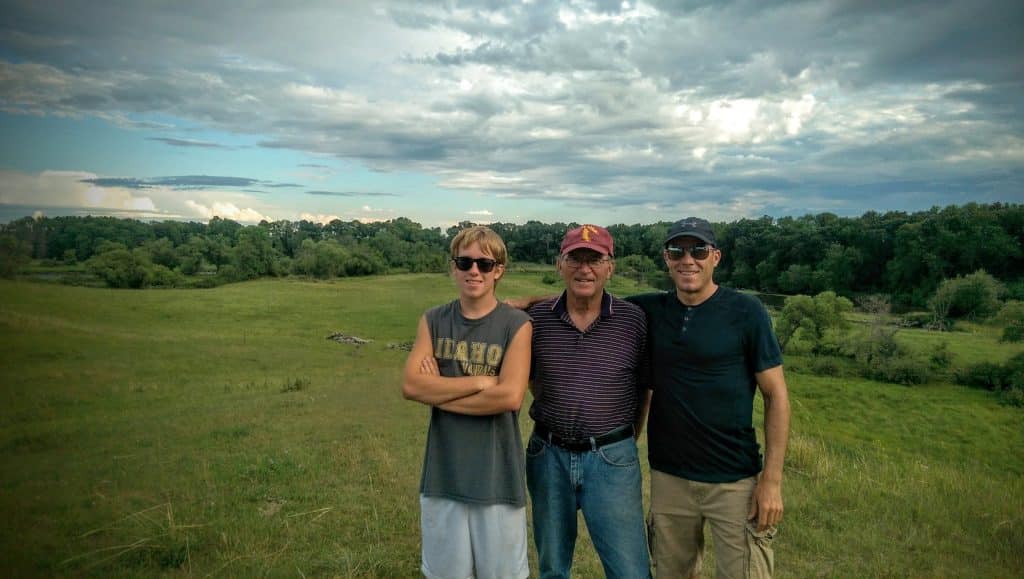
This interview has been edited for length and clarity.
What is the background of your farm?
David: As soon as I got out of college I was looking for land, and within a year I found a farm in West Otter Tail county in 1971, and I have been here ever since. I’m a rookie so I’ve been learning everything the hard way. During my first three years farming I did conventional tillage, I raised wheat and a little corn. Then, after a rain event that created some gullies on the side of the hills on my land, I said, ‘this is not going to happen again. I had a couple of flat spots on the farm that I would put some oats or corn, but otherwise my farm has been in continuous forage since then. At one point it was all alfalfa, but now half of it is alfalfa in addition to about seven other grasses, and I sell hay on the side.
I don’t spray my pasture at all. There are certain weeds that my cattle like to eat, like lambs quarter and dandelion, so I don’t want to spray because there’s lots of nutrition in wild plants.
I have about 18 to 20 cattle right now and I sell them to individuals, not to the open market. I’m also selling some ground beef and vegetables to a local restaurant. I do a customer newsletter where I talk about topics including my cattle and pasture, the benefits of grassfed beef, and in my next newsletter I plan to talk about liver and bone broth.
I got Farmers Union insurance when I started a pumpkin patch on my farm because other insurance wouldn’t cover me. I became a member of Minnesota Farmers Union at the same time and have been a member since then. I stopped doing the pumpkin patch a while ago.
What struggles have you faced with markets in recent years?
David: Right now cattle rates are at a record high, but I’m hesitant to raise prices on mine. I’m 80 years old and I may be in my last two years of raising cattle on my pasture because it’s hard to find young, organic cattle. The longer you have cattle the less you make on them, because you have to spend money on things like minerals, vinegar, electricity, fencing, windbreaks, and tractor and fuel expenses to take care of them. I don’t see prices getting cheaper and I don’t know what my future will be.
Are you facing challenges in relation to climate change management?
David: Precipitation has been a challenge. In 2024 we were wet in the spring and dry in the fall. For harvesting forage, if it gets wet too many times it loses nutritional value. So that made it tough. Then the pastures were depleted by the fall because nothing would grow in the drought.
In 2023 we had a terribly dry spring and were dry all summer long. I sell hay on the side, but I couldn’t sell any that year because the crop was poor. I was concerned all season long that I would run out of hay.
Have you taken advantage of any conservation programing or assistance?
David: The Environmental Quality Incentives Program (EQIP) through the Natural Resources Conservation Service (NRCS) has been a savior for my farm. EQIP paid for the miles of fencing around the south 80 acres of my farm and some of my paddocks. EQIP also helped fund my greenhouse and the waterlines that go to waterers on my pasture as well. I don’t have a no-till drill, and I was able to rent one from NRCS to seed cover crops. I plant cover crops in places where I don’t grow hay. I also have 25 acres that have been in a Conservation Reserve Program (CRP) contract since 1985. Those acres have three ponds, two of them that I made.
You’ve mentioned you have many birdhouses on your land, what role do they have on your farm?
David: I bought the birdhouses because the birds work for insect control for the cattle. When my cattle are out on pasture the birds swarm around them. I always see cowbirds on the cattle, and I probably have a thousand swallows in the summer. The birds are another reason I don’t spray my pasture, because they are always feeding on the ground in the pasture.
How has your farm operation remained resilient?
David: It has stayed resilient because I haven’t tried to wreck it. Having this farm is not a living, it’s a life. The character of this farm wouldn’t work with conventional farming because there’s too many slopes and valleys. The Ottertail River is on one side of my farm, and it’s a very steep slope that would erode with conventional tillage.
What do you think people are missing in the conversation around climate?
David: Everyone can make a small difference, and you can be satisfied by doing a little. I think about the hummingbird fable. It tells the story of a forest fire that happened, and all the animals huddled together to figure out what to do. The hummingbird flew over the fire and dropped a drop of water over it. The animals all said the hummingbird couldn’t make a difference, but the hummingbird insisted they could still try. We could all be more like the hummingbird. With climate change, we can talk about cover crops or no-till, but if we had 50 million people who had the attitude of that hummingbird, we could solve that problem.
From heavy rains to extreme drought and damaging winds, farmers are adapting and changing. The ‘Climate Resilience on the Farm’ series features Minnesota farmers who are using practices to make their farms more resilient as the climate changes. Read other articles in this series here.