
Extreme weather variations challenging for St. Louis County farmer
This article was originally published in April 2024. See an update from May 2026 at the end of the article.
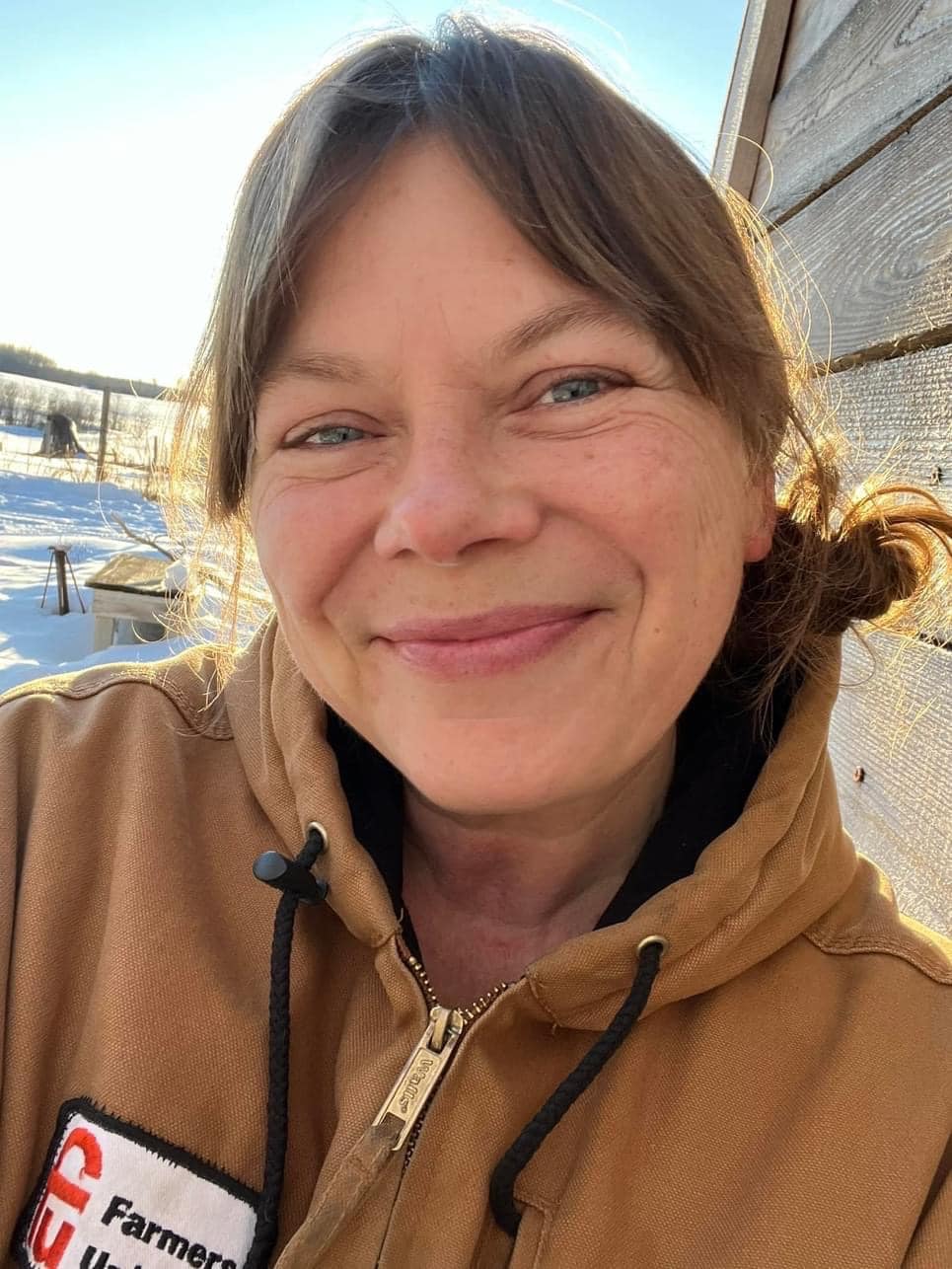
Missy Bakker Roach, owner of Bear River Farm, has been farming and developing local food systems through farmers markets in St. Louis County for almost 20 years. Missy grows and sells potatoes, beans, garlic, tomatoes, peppers, tomatillos, herbs (basil, parsley, cilantro) and salad greens at farmers markets seasonally.
Missy formed the St. Louis County Farmers Union chapter in 2020 and serves as the President. She is also the secretary of the Minnesota Farmers Union.
This interview has been edited for length and clarity.
What is your background and how did you come to be a farmer in St. Louis County?
Missy: I kind of grew up with one foot in both worlds. My grandparents raised cattle in Cass County and ran a sawmill. I always spent summers with my grandparents. When I lived in Minneapolis with my mom, I felt a bit out of my element and dreamt of being a farmer, growing vegetables and raising chickens. Growing up in the 1980s, you didn’t see people getting into farming, most farmers were getting out.
When I met my husband, Tom, he was working as a firefighter in Alaska, and I was working at an elementary school in Walker, Minn. He invited me to go to Alaska with him in the summer and I went I loved the off the grid lifestyle and culture, part of which was the bustling farmers market. In the summertime there is nearly 24 hours of daylight, so everything grew fast and abundantly in a short amount of time, and everyone was so excited to showcase their food. I also worked at a greenhouse and was immersed in learning from people that flew in to buy plants from the bush of Alaska; a lot of people only came into town once every six months. It was so fun to learn about people growing things in remote wilderness situations. There is a determination and spirit about that.
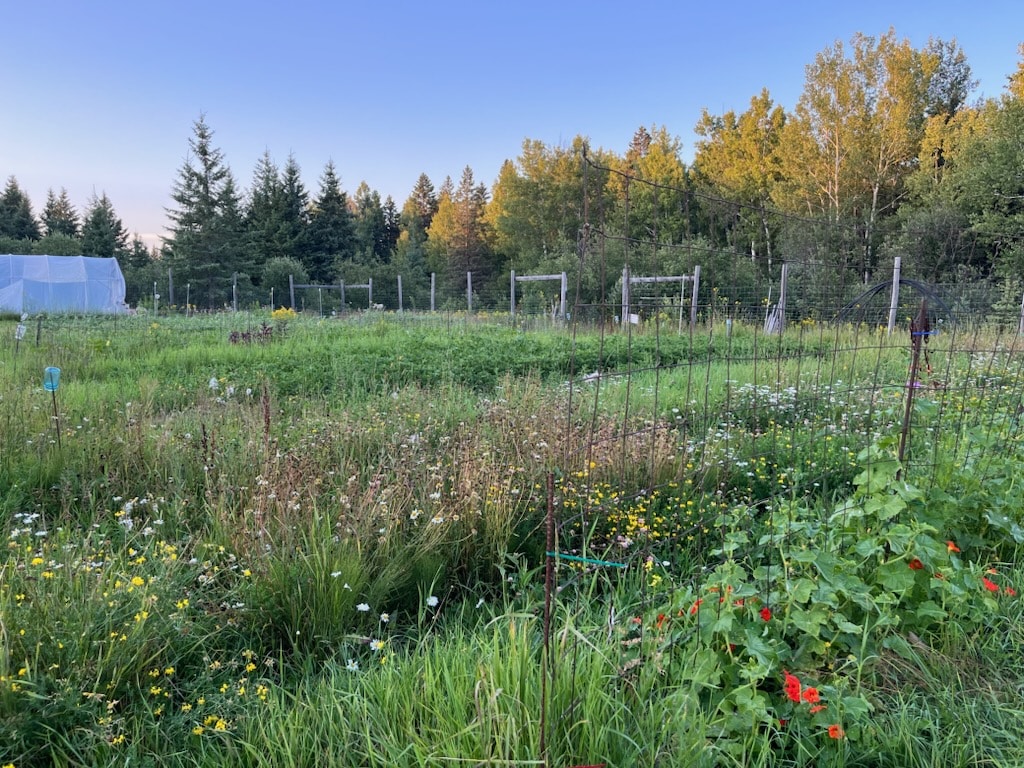
Eventually we moved back to Minnesota. Tom started working for Superior National Forest and we bought the 40 acres we have now. We’ve been here for about 20 years. I’m 20 miles from the nearest town of 500 people and 50 miles from the next largest town of Hibbing.
There weren’t many job opportunities when we moved here and by this point, we had a child. I really wanted to stay home with my kids, that was important to me, so I knew I needed to figure out an income and decided to start growing vegetables and raising chickens. The only problem was that there was no farmers market nearby that I knew of, so I called city hall, and we talked about operating a farmers market in the park. I put an ad in the paper to see if anyone was interested in developing a farmers market. The first year of the Cook Area Farmers Market there were only two of us – I brought vegetables and eggs, and the other vendor made bread. The market kept growing every year, and now we have about 25 people. I also helped start a market in Babbit and the Virginia Farmers Market, where I’ve been selling for about nine years. It’s been a constant process of scaling up and trying to meet demand. Amid all this we’ve had a local foods renaissance with more people wanting to know where their food comes from, so this happened at a good time.
I tried offering a CSA one year but realized I needed to focus on either a CSA or farmers markets. I chose farmers markets because that was kind of my baby. I really wanted [the farmers markets I was part of] to succeed, and for other farmers to continue to have that market. So, I really dove into farmers markets and tried to be the best farmer I could; I went to conferences to learn about soil health and read all the books I could get my hands on.
I also became involved with Iron Range Partnership for Sustainability (IRPS), where I work now, which was another great resource for learning. IRPS released a local foods study along with the Iron Range Rehabilitation and Resources Bureau. The study showed that although we’re not known as an agricultural region, we can grow things up here in St. Louis County – and we need the infrastructure to do it, therefore we need funding and education. They put on a Good Agriculture Practices (GAPS) training and had scholarships available for folks to attend farming conferences which I utilized.
Overtime, I became more involved with growing our local food system and figuring out how to improve it, for example by having SNAP and market bucks available at farmers markets. I’m always thinking about leveling up and how to make local foods more accessible.
Farmers’ markets are a way that rural folks are making an income. It’s not necessarily a side hustle like people can assume. These people are working all year long to bring goods to market. The money that vendors make at farmers markets can go far in a small town. When my tractor broke down last year and I wasn’t able to get it fixed, I couldn’t get a lot of things I rely on planted, like potatoes and beans, and so I didn’t have an income from those and it really added up; I was down thousands of dollars.
How has your farm structure changed in recent years and how are you planning for the future? Has climate change informed your plans?
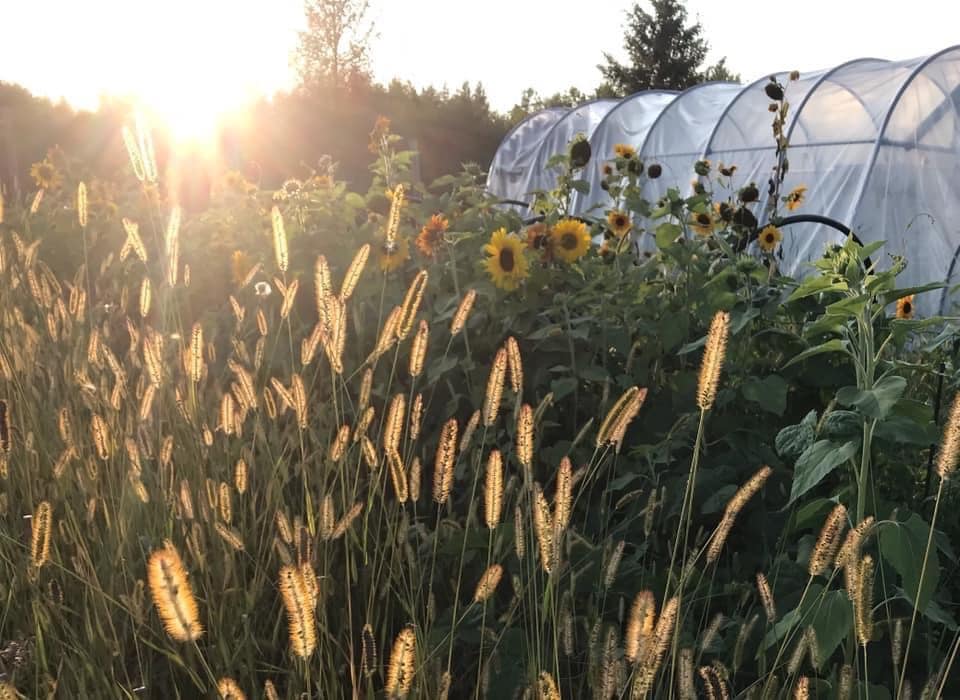
Missy: I’m always looking for ways to improve my operation. Precision irrigation has made my operation more efficient. I want to manage the resources that I have wisely and be cautious of larger issues like drought. I built a greenhouse, have a small high tunnel, and have used row covers. There are tools that I can use to work with the weather, but when it’s extreme, I have a hard time being resilient and able to pivot.
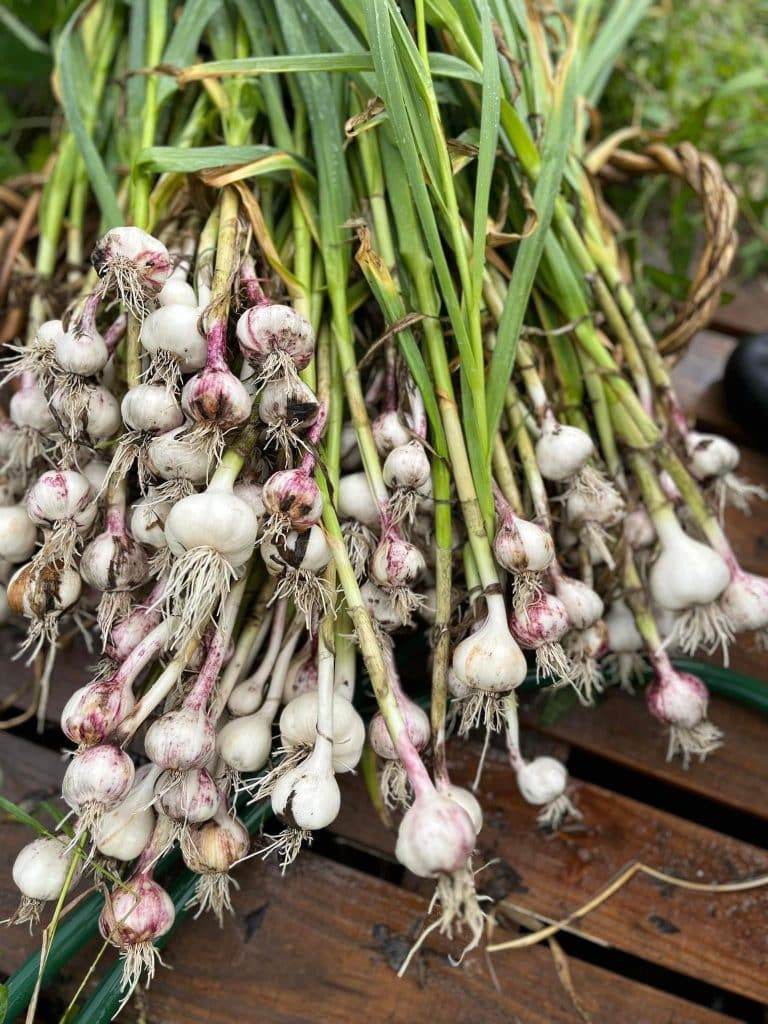
In the last 10 years, it’s really been this pendulum of extremes. Right now it’s been a warm, dry winter. It’s been so warm that the ground is in a thaw/freeze cycle and I have garlic in the ground that I’m nervous about. Garlic is my major crop. In anticipation of what’s happening to the garlic, I feel like I need to have diversity in my farm and what I’m growing so that I’m not depending on one or two things. It’s hard because garlic is my biggest money maker and the crop I’m rotating everything else around. That’s been very worrisome this year.
Last year, we didn’t even have a spring. It was snowing forever – there was snow on the ground in May. And then two weeks later it was summer. I worry about having these extreme temperature changes in the summer as well. I worry about if the ecosystem can adapt. I plant potatoes at a certain time to mitigate the risk of potato bugs. If we have a torrential downpour that we shouldn’t have had, then I can’t get in the field because it’s muddy. Now that I’m talking about it, I’m realizing this anxiety I live with is really stressful.
What barriers do you see to the adoption of conservation practices?
Missy: A barrier is that people don’t know the government agencies or programs that can help their farm, including educational programs. The internet is so bad and expensive up here, so a lot of people don’t invest in it and just operate differently.
I am excited about the University of Minnesota Extension’s Deep Winter Greenhouse grants. I’d also like to pursue the Environmental Quality Incentives Program. The stereo types of what a “real” farmer is creates imposter syndrome. Thanks to the local food renaissance in the last 10-15 years, people are saying you don’t have to have 1,000 acres to be a farmer. If you’re contributing to the food system in a meaningful way, providing nutritious food to your community, why is that not a farmer? There has been some stigma around it. As I was trying to level up my production, I thought a lot that these kinds of programs don’t apply to me. I’ve realized, no, they’re talking to me! I feel more reassured that I am valued as a producer.
If you could tell Congress to do one (or two) things that would help the next generation of farmers, what would it be?
Missy: Investing in climate resilience is the biggest thing that comes to mind and continuing to develop more regional food infrastructure. Policy makers must be conscious of the bigger picture and understand the connection between investing in farms and vibrant rural communities.
I feel like a lot of the policies and money that is being directed to farming in Minnesota reflects the work that MFU has put in for years. The Farmer’s Union is out in front of issues. It is dynamic in its response, and it’s supportive in its community. It speaks to our membership. I think that it’s amazing to get a seat at the table. Our organization is truly grassroots.
May 2026 Update
What significant events or changes have happened on your farm since this article was published in April of 2024?
Missy: In June of that summer (2024), we had a historic rainfall event which flooded my farm and my town of Cook. After a day of 8 inches of rainfall, my driveway was washed away. I had a high tunnel collapse, crushing tomato plants, and the plastic ripped out of another one with the weight of the water. I was unable to plant potatoes that year because the clay soil went from a mud pit to concrete.
I remember standing there in the muddy field, with lumber, piping, high tunnel debris scattered, wondering what the heck I was doing with my life, trying to figure out my next steps. I felt like a failure.
I wasn’t the only farmer that was affected. Others lost calves, crops, and barely held hope. Luckily the garlic I had planted the previous fall tenaciously worked to survive the deluge.
I can tell my story now that time has passed. That crisis is over. But I don’t think many people understand what it means to be a farmer and experience a climate event and watch all your hopes, work, and money wash away with the flood.
It takes an incredible amount of effort to get food to people’s table. Now when people ask how the farm is doing or talk about the weather, I’m not asking for perfection, just not another crisis climate event.
From heavy rains to extreme drought and damaging winds, farmers are adapting and changing. The ‘Climate Resilience on the Farm’ series features Minnesota farmers who are using practices to make their farms more resilient as the climate changes. Read other articles in this series here.