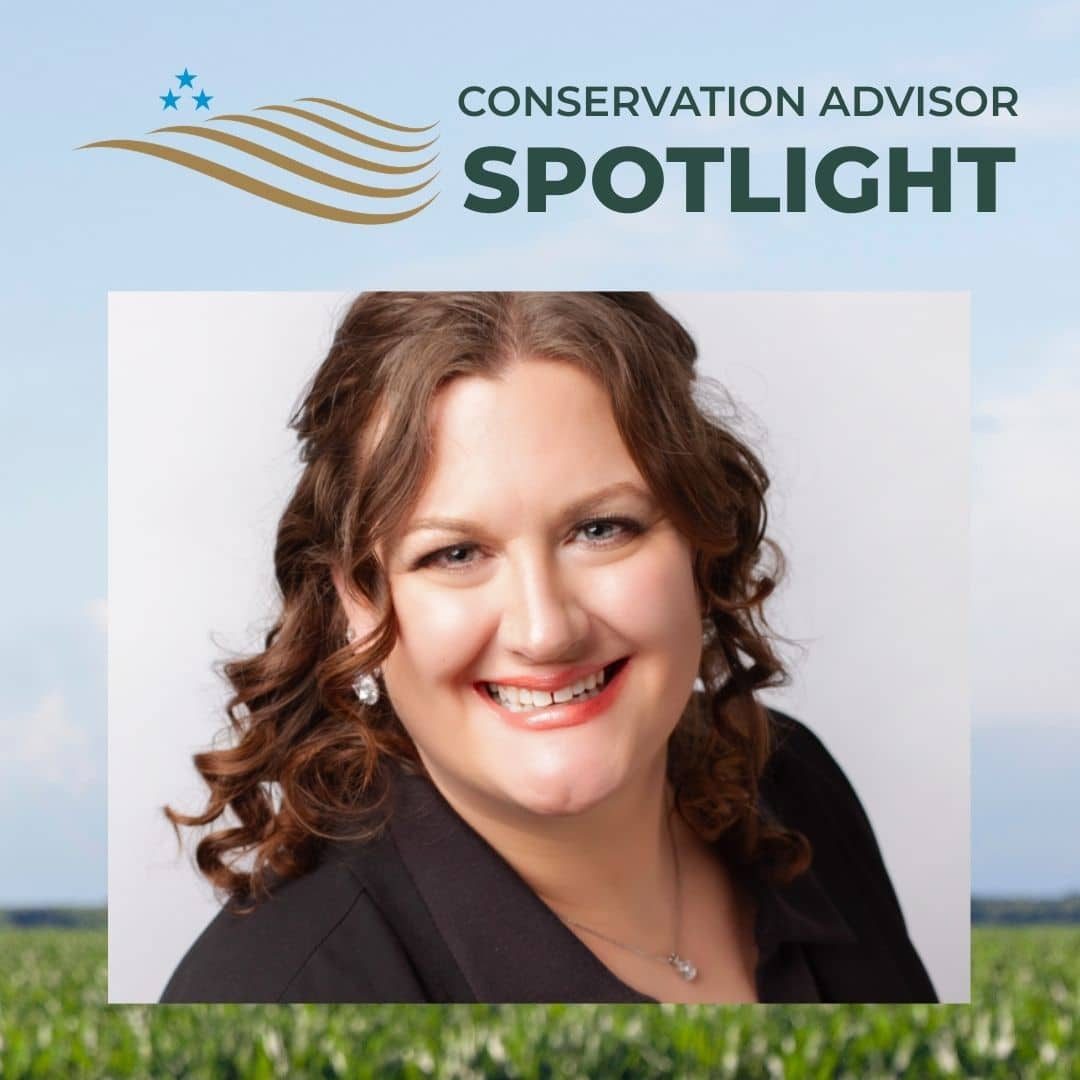
Amy Robak: Lead Environmental Specialist at Centra Sota
I always tell producers that everything takes time when you start on this journey. You can start with little changes, like just working your corn with light tillage in the fall for example. A lot of the producers I work with don’t realize that they’re already doing these things until I work with them and we start talking about it. Then when we work together we can talk about next steps.
Amy Robak
Amy Robak is the Lead Environmental Specialist at Centra Sota Cooperative. She is works primarily in central and northern Minnesota, and covers the whole state. This interview has been edited for length and clarity.
What counties are you working in?
Amy: I work in the whole state of Minnesota, but especially central and northern Minnesota.
What are your areas of expertise?
Amy: There’s a lot! Nutrient and manure management, soil health, cover crops, reduced tillage, irrigation water management, pest management and grant assistance. I also help people apply to NRCS cost-share programs.
What does a visit with you look like for a farmer?
Amy: It can look like a variety of different things. Most of the time it looks like working with the farmer and determining what the successes and areas of improvement are for their operation. From there I think about scenarios for improvements and better return on investment for their operation. I’ll come up with a detailed plan that may look like a one year fix or a continuous plan where some producers work with me for a lifetime. For nutrient management for example, they’d be working with us every year to revamp their operation. It just depends on producer needs and wants.
How can a farmer plan ahead to get the most out of a visit with you?
Amy: I always tell farmers to think about some current successes and current struggles. We like producers to think ahead about an achievable, one or two year short–term goal. And ideally, they also have a 5- to 10-year infrastructure goal as well, particularly for animal operations.
What are the benefits for a producer working with you?
Amy: I would say one benefit of working with Centra Sota Co-op is you’re working with a team of people. We have the crop adviser, environmental services team, and a whole group of people working with us. We can help write government contracts, and we are the liaisons to those government offices, so there’s cases where the producer doesn’t need to step into the government office. We have been in business for so long and have so many connections to people, it gives producers peace of mind that we can take care of the leg work. The other benefit would be access to our knowledge and resources. We carry the cover crop seed, application equipment, and everything in-house. We can really be the one stop shop for producers to execute practices on their operations, and that is the biggest benefit we keep hearing from producers.
What advice do you have for producers who are just beginning their conservation journey?
Amy: I always tell producers that everything takes time when you start on this journey. You won’t see instantaneous results in the first year, you need to give it 3 to 5 years to see change. Remember to start with one or two practices, and don’t feel like you need to go all in on strip-till or no-till. You can start with little changes, like just working your corn with light tillage in the fall for example. A lot of the producers I work with don’t realize that they’re already doing these things until I work with them and we start talking about it. Then when we work together we can talk about next steps.
Interested in working with Amy? Connect with her at: arobak@centrasota.com or 612-400-3974
Conservation advisors work one-on-one with farmers to assess resource concerns and find opportunities for stewardship improvements. These advisors can be found at organizations across the state, from Extension offices to Soil and Water Conservation Districts to wildlife-focused non-profits. MFU regularly features conservation advisors to share how their assistance can support your farm goals. Read more in this series here.