
Kanabec County farmer weaves culture and community together as she grows food and leads others in agriculture
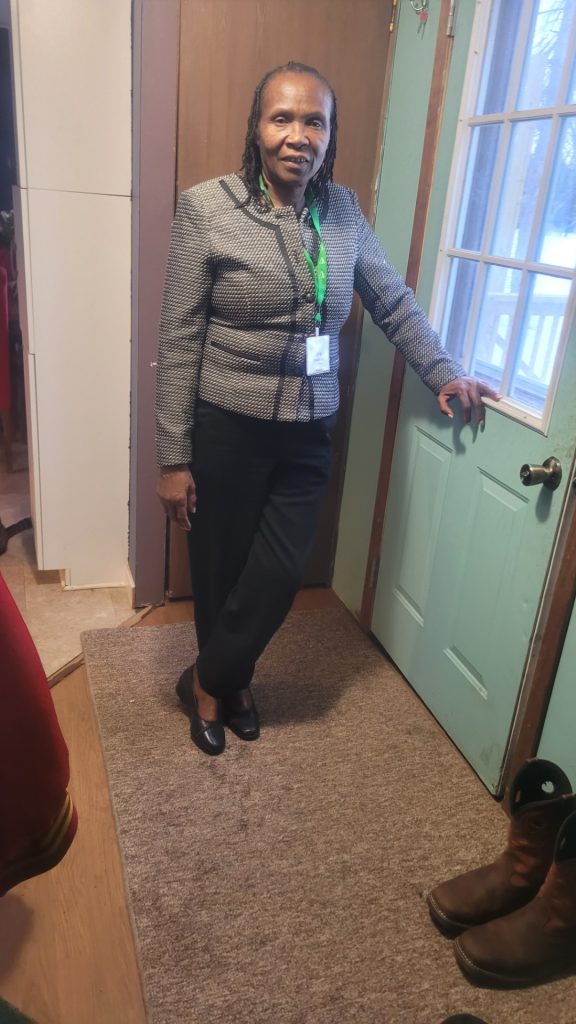
Jane Windsperger grows culturally important East African and specialty crops on her farm in Kanabec County. She farmed in Kenya and started farming again in Minnesota in 2019, after an injury prevented her from continuing her career in the healthcare field as a registered nurse (RN). She markets her crops through The Good Acre and farmers markets, and gives a portion of her produce to food banks. She is the Vice President of the Minnesota African Immigrant Farmers Association (MAIFA), and on the board of directors for the Minnesota Farmers Market Association (MFMA) representing the northeast region.
This interview has been edited for length and clarity.
What is your background?
Jane: My name is Jane Windsperger and I’m a woman, person of color, and an emerging farmer. The name of my LLC is GEDEF Farm, which is named after my five children. I was farming back in Kenya and when I came to Minnesota I started farming for a city farm. In 2021 I bought my first land in Ogilvie that was 3.8 acres and farmed there until 2025. Then I bought my current farm that is 30 acres in Mora in 2025, and I moved my mobile home here. This is my second year here.
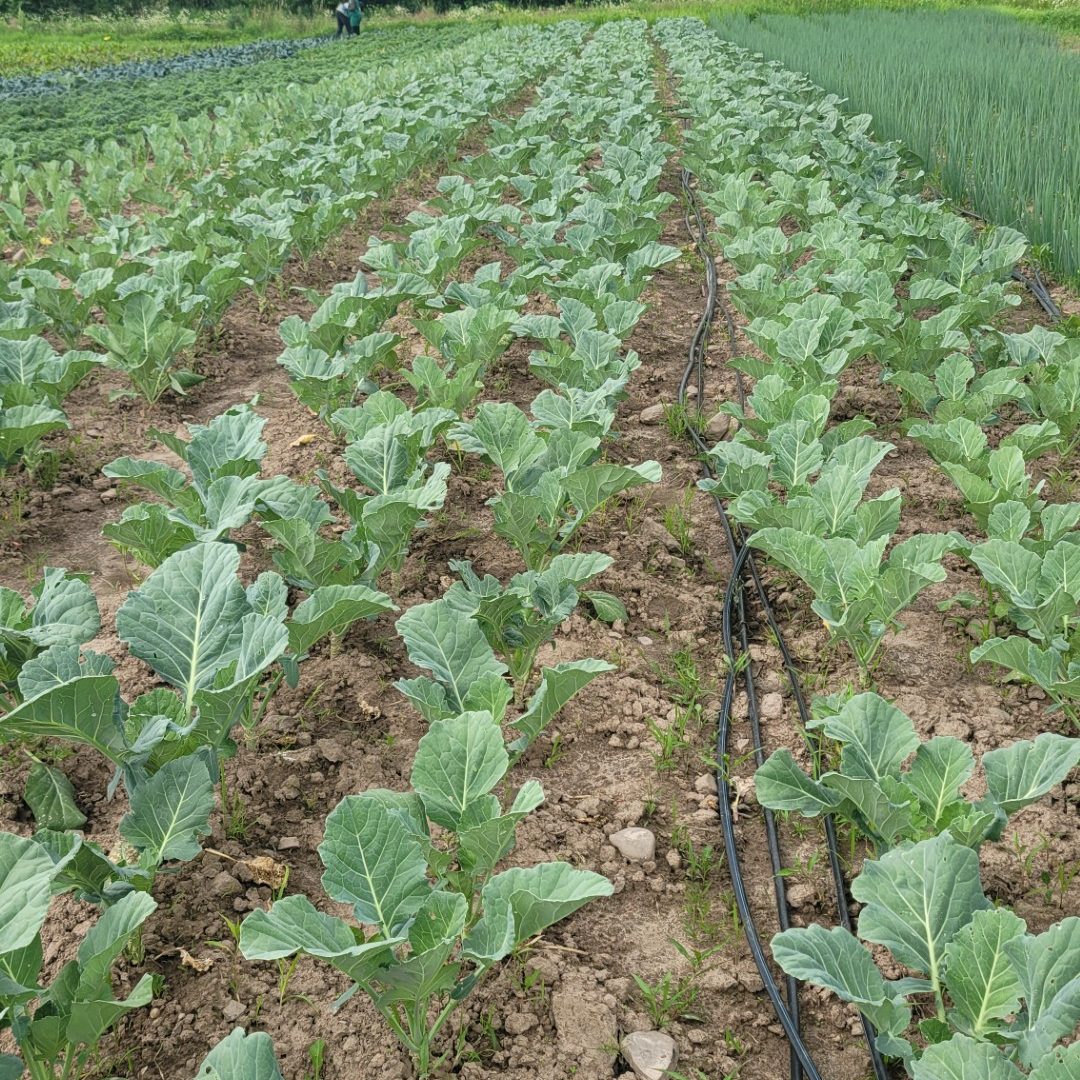
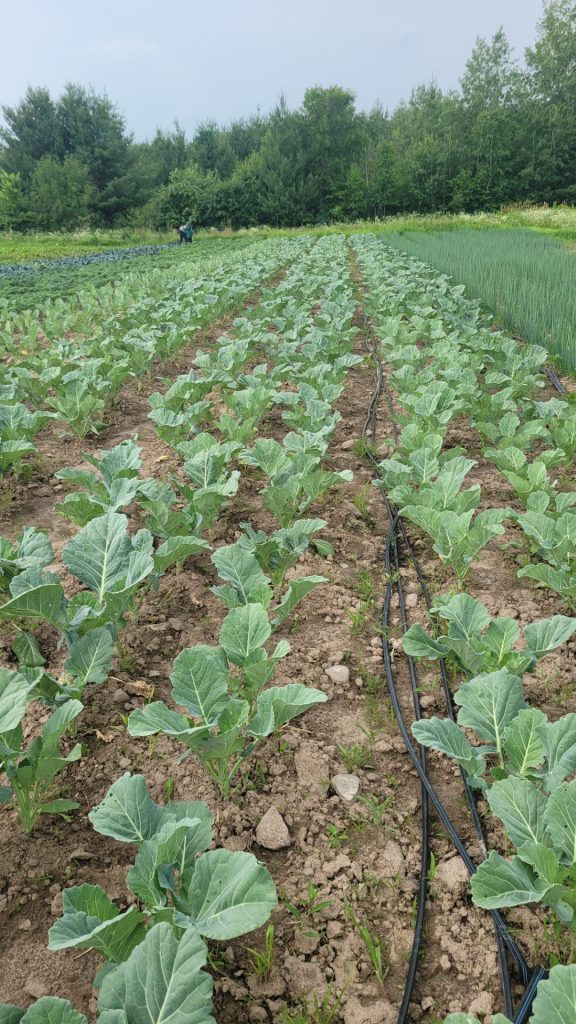
I grow all kinds of specialty crops like cabbage, collards, kale, spinach, and squashes. I grow East African cultural foods like pumpkin leaves, sweet potato leaves, and beans. I sell my produce at The Good Acre, Pillsbury United Communities, at farmers markets, and I have a food stand at my farm for whoever wants to come.
I am a leader of so many things and I’m wearing a lot of hats. I lead children ages 10 to 17 to take them through the bible. This year I was chosen to be on the board of Minnesota Farmers Market Association to represent the northeast region. I am also starting a new position at the University of Minnesota as a counselor for people whose second language is English. I am the Minnesota African Immigrant Farmers Association vice president, and we sell food to Second Harvest Heartland and food shelves like CAER [Community Aid of Elk River]. I am also a Minnesota Farmers Union member. So that is who I am, that is my story and I love farming and meeting people.
Who is involved on your farm operation?
Jane: I farm by myself but I have a few other farmers from the city who help me, and my neighbors and my daughter help me. This year my daughter is helping me with documentation, and she’s going to a market training to learn more.
I have volunteers through WWOOF [Worldwide Opportunities on Organic Farms] come and help me, and I do love to teach people a lot. That’s what I’ve been doing with MAIFA, we have a training for farmers to come to my farm and I teach them how to start seeds and have the correct spacing for crops. Today we had 40 people come for the training, and I was translating from English to Swahili. They are willing to come and drive to my place to learn what I do.
It sounds like you are very connected with other farmers and the community around you in northern Minnesota. Do you feel that community is essential to you as a farmer?
Jane: Yes. I’ve been connected with the Amish community, and they have been teaching me what types of plants are supposed to be planted up north. Last fall when the cold came earlier that saved me, but I did lose some crops to the cold. My farm was affected big time. I didn’t know that eggplants didn’t like cold, so I covered the peppers and other crops but not the eggplants and tomatoes. When I came back in the morning it looked like someone poured water over them.
With climate change, Minnesota is experiencing more heavy rain events as well as intense summer heat waves and drought. What has your experience been? How do you stay resilient?
Jane: I actually did very well last year because it rained so much. I usually build beds to raise up the soil, so when the rain comes I’m not affected as much. I started bedding that way in 2022.
But sometimes there’s too much rain. One time I had squash in a lower area on my new land, and my crops were destroyed. It rained and the water stayed there stagnant. Last year many people were flooded, so I gave farmers from Lino Lakes my land to plant so they could still serve their customers in Edina.
It has also been too hot with no rain. We’ve had to ask the fire department to bring water, and we went into the police station to ask if they could help us with water. For extreme drought, I have overhead sprinklers to water my plants in my hoophouses. The University of Minnesota has helped me install hoses to bring water to my farm.
What equipment is useful for your specialty crop operation?
Jane: I’m so excited and it’s a privilege to have a greenhouse to start seedlings. I have three hoophouses and one is a starter greenhouse. It was on the land when I bought it.
Was it a challenge for you to find and buy land?
Jane: It was a challenge to find land, but not as much as in the city. I know 20 farmers that are farming in east St. Paul and they called me and said they aren’t farming this year. I’ve been looking for land for them and finally found land in Pine City. It’s going to be so hard because they don’t drive. But we are still looking and asking people to help us. In Pine City, Mora, and Ogilvie people are willing to rent the land.
What programs have helped you or other farmers you know?
Jane: Some farmers I know who bought land are benefitting from the emerging farmer down payments from MDA [Minnesota Department of Agriculture]. Now they are applying for the grant for equipment and are hoping they will get it. I’ve never received one but I always apply. I wish I could have a tractor, a weeder, or a seeder.
In the past I got a grant from Mill City Farmers Market for a well on my first farm. This year I received DNR [Department of Natural Resources] funding for a fence. I have a lot of deer, racoons, and woodchucks on the farm. Last year I had to ask my neighbors for help with animals eating seedlings in the greenhouse.
What would you tell lawmakers to help you keep farming into the future?
Jane: For me, I want lawmakers to look to the small farmers, especially emerging farmers putting good food on the table. These farmers need to be helped out with tools for weeding and markets to sell their crops, that would be huge for small scale farmers. If they can give The Good Acre support, that would help emerging farmers that have limited resources. I want to tell them that these are all the foods we want you to eat, so help us to stay farming.
Also, farmers whose second language is English need help to understand grants better, especially MDA grants.
What do you want the general public to know about your farm and farming practices? What practices are you employing to strengthen your soil health and grow healthy food as a specialty crop farmer?
Jane: That’s my target, these are the people that need to support the farmers. They can come and buy our fresh food from the garden and go to the farmers markets, and support farmers to continue producing good food to eat, that helps us. Why would we buy food from California when we are growing the same things here? The community around us can come together and say let’s promote local and buy from small farmers.
My farm is not certified organic but is chemical free, I don’t use any chemicals. On one section I practice no-till. I put mulch on some sections like on the garlic. I’m on new land so this year I will do a soil test to know what kind of improvements are needed. I have clay, mixed soil with lots of stones.
How do you persevere as a specialty crop farmer amidst challenges with resources, weather, and expenses?
Jane: What helps me is my determination, I love farming. Professionally I’m an RN but left because I was injured and had back surgery. After I healed, I started growing a farm. Whatever little I got from selling food I put it back into farming to have good soil, and that has helped me a lot. I’m using my hands now to make something out of it. I just want to continue going until I can’t go anymore.
From heavy rains to extreme drought and damaging winds, farmers are adapting and changing. The ‘Climate Resilience on the Farm’ series features Minnesota farmers who are using practices to make their farms more resilient as the climate changes. Read other articles in this series here.