
Climate Conservation debuts with Kandiyohi County farmer Erik Hatlestad
Erik farms in 850 acres West Central Minnesota with his parents, Phil and Carolyn, and brother, Adam. Erik Hatlestad has been Kandiyohi County MFU President since 2019, and is the energy democracy program director at CURE.
This conversation has been edited for length and clarity.
Has climate change informed your plans for the future of your farm?
Erik: We were very early adopters of no-till and have strong water management practices including buffer strips. It has never been a question to us about the reality of climate change and the responsibility of farmers to do what they can to mitigate the impacts of industry.
Looking forward, we’re cautious about carbon markets. Currently it seems like farmers doing the work will not receive much of the benefit until the market develops more.
Looking to the future of the farm, we’re thinking about what climate change will mean for the operation. Several years ago, our family attended MDA’s education session on organic transitions and my brother and I have had conversation about incorporating sustainable meat production and cover crops on the farm. I am excited about new programs that will make implementing these practices easier and more economically viable.
Conservation practices have been integral to your family’s farm operation for many years. What are some ways to increase adoption of conservation practices in your area?
Erik: I frequently travel around the state and no-till operations are not as common as I would expect, it’s the bare minimum when it comes to conservation practices that positively impact climate and water. Topsoil erosion is a huge problem in west central Minnesota, and increasing cover crops could improve yields and help with natural carbon sequestration.
Beyond continuing to have conversation with our neighbors to help them value the importance of conservation practices, further federal support of conservation programs – like RIPE 100 – will help accelerate adoption of practices like no-till and cover cropping.
What is an example of a climate solution or opportunity you have found that has helped you remain resilient?
Erik: What keeps us resilient has been community and organization. The problems of the climate crisis and problems within industry are so enormous, it is impossible to take them on by yourself. I think about it as a big challenge of our time.
Community is not just defined by geographic area, it is the people that share the same objective in solving these major problems, those that you are in solidarity with. We’re never going to solve any of these problems or address economic, social and environmental justice without some sense of solidarity.
Are you facing challenges in relation to climate change management?
Erik: A big challenge is maintaining general infrastructure like buildings and equipment. There are increasing pressures on already strained infrastructure from increasing storms, out of the ordinary large snowstorms, and increasingly erratic weather that makes maintenance more difficult and expensive.
What opportunities for policy and markets have been on your radar?
Erik: The Inflation Reduction Act (IRA) will be huge, [and I am] cautiously optimistic about the climate-smart ag programs.
Thinking about the national approach to sequestering carbon, I don’t know if the market model is the way to do it.
I view the development of wind and solar as another “crop”, considering the profitability of how farmers are receiving lease payments for siting. Much of the corn we grow on our farm and in Minnesota is already used for energy, and growing energy with wind and solar is a similar market with a different production method.
What do you think people are missing in the conversation around climate?
Erik: For rural communities, it’s the enormous economic development and job opportunities that there are and the opportunity to solve a lot of longstanding issues we have had, for example energy efficiency in housing. It is a smart investment.
If you could tell congress to do one thing that would help you continue to farm in the next generation, what would it be?
Erik: Authorize Ripe100 in the 2023 Farm Bill. Ripe100 will be transformative in terms of the economic viability of conservation practices on the farm. I’m eager to see the pilot projects in Minnesota and am hopeful that Kandiyohi County will be selected as a pilot location.
Congress must also continue to renew its commitment to rural electrification by maintaining and expanding the new loan and grant programs for electric cooperatives that were passed in the Inflation Reduction Act. These long-needed investments will help create rural jobs, save rural people money, create new markets for farmers and act on the climate crisis.
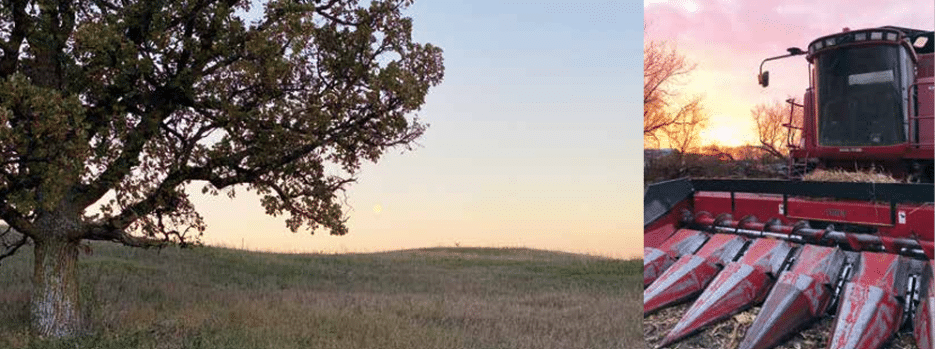
From heavy rains to extreme drought and damaging winds, farmers are adapting and changing. The ‘Climate Resilience on the Farm’ series features Minnesota farmers who are using practices to make their farms more resilient as the climate changes. Read other articles in this series here.